
Hair Extension Color Chart and Texture Reference
Every shade and texture on our account starts from hair you can hold: a swatch from a client, a bundle from your shelf, or a sample you have already approved.


- Colour · confirmed on a physical sample, row by row
- One retained sample · kept for each spec code
- Colour + texture · checked against it before every shipment
- Spec code · quote line · pack label · packing list
Colour on Our Spec Rows — Reference Hair, Sample, Spec Code
Colour and texture for wholesale human hair extensions, matched on physical hair and held under a spec code.Colour is one of the fields on every spec row, next to product line, hair type, length, weight and texture. On our rows the colour field records a physical reference. That reference is what the sample is made to and what you compare the sample with when it reaches you.
- Reference
- Sample in its structure
- Held beside it
- Spec code
The reference
You send or name the reference.A sample in the row's structure
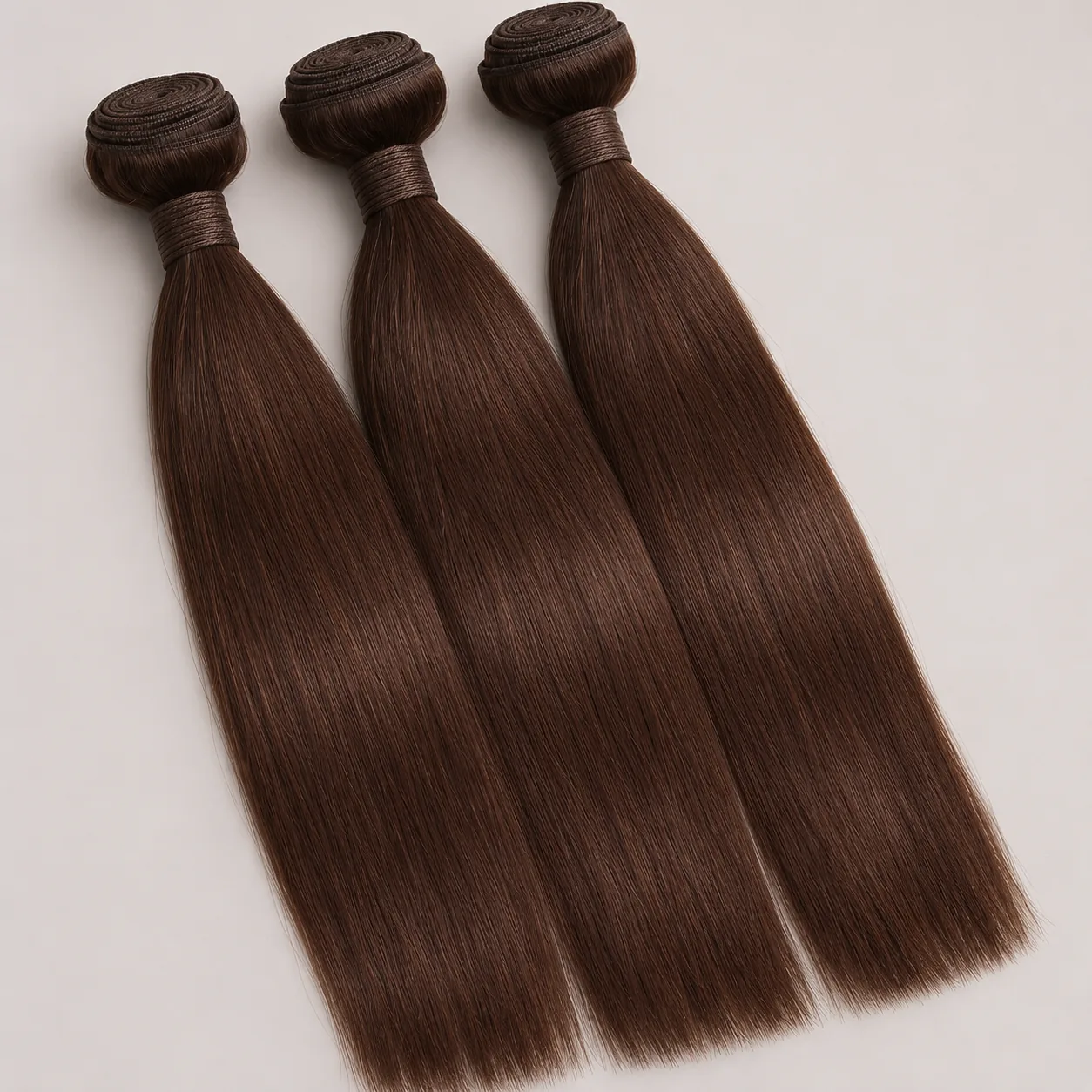
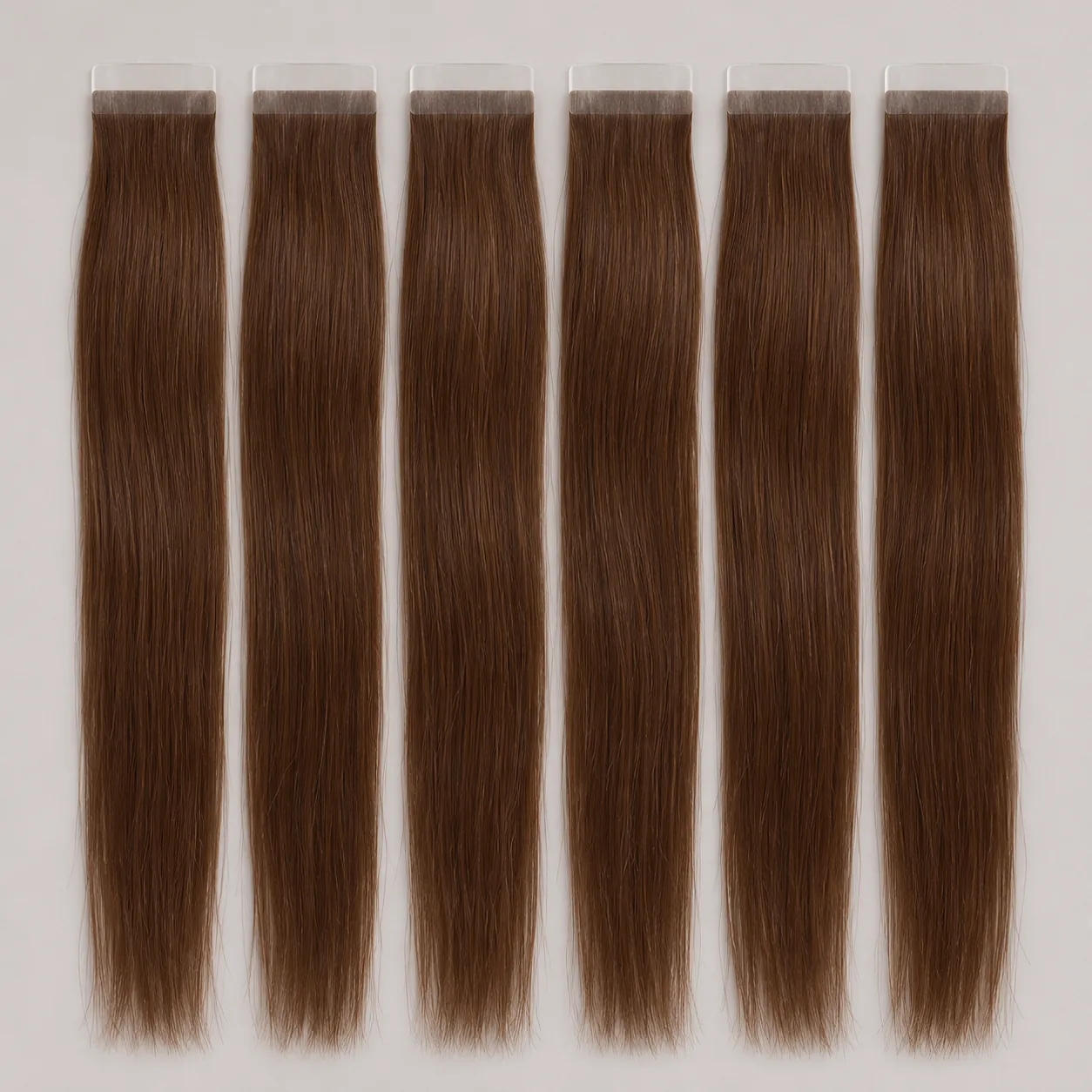
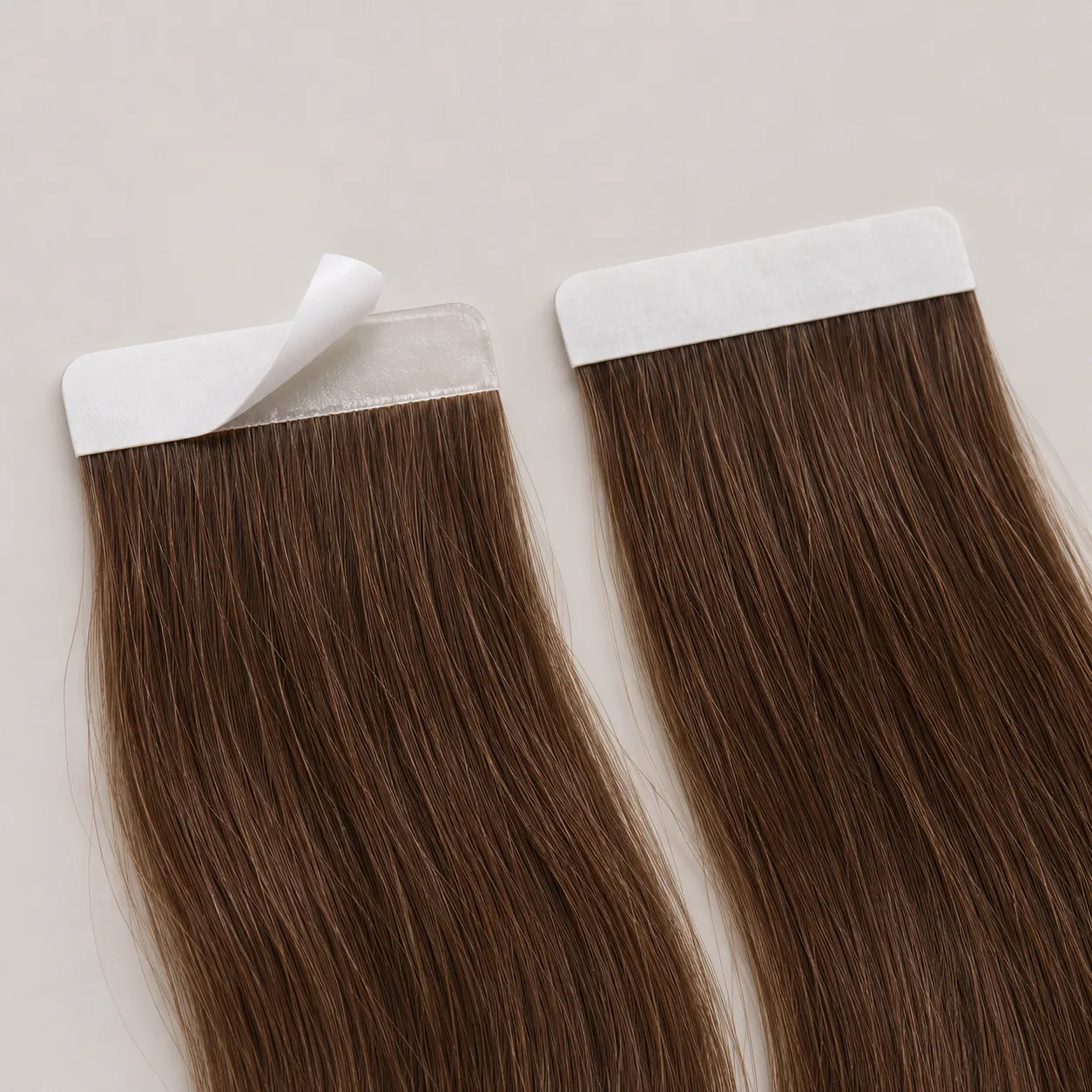
We make a sample in the structure of the row, so a tape row comes back as a tape panel, a weft row as a full-width weft, a tip row as loose strands and a bundle row as a whole pack.Held beside the reference
Your stylist or buyer holds the sample beside the reference and checks the colour, along with length, weight and texture.Confirmed, then coded
When the row is right, you confirm it, and your contact writes a spec code against it on your spec sheet.

From that point the spec code carries the colour. You keep the confirmed sample as your approved sample, while a retained sample for the same code stays with us as the standard for every later order on it. A reorder needs only the code, so the colour is never described again in words or numbers. The same steps apply to texture, which is set out further down this page.
Colour References We Sample From — Swatch, Bundle, Confirmed Code
How a salon cuts and posts a client swatch, step by step, is on the Hair Extensions for Salons page.
A client swatch
A small piece of the client's own hair, root end taped and labelled with your client number and the row it belongs to.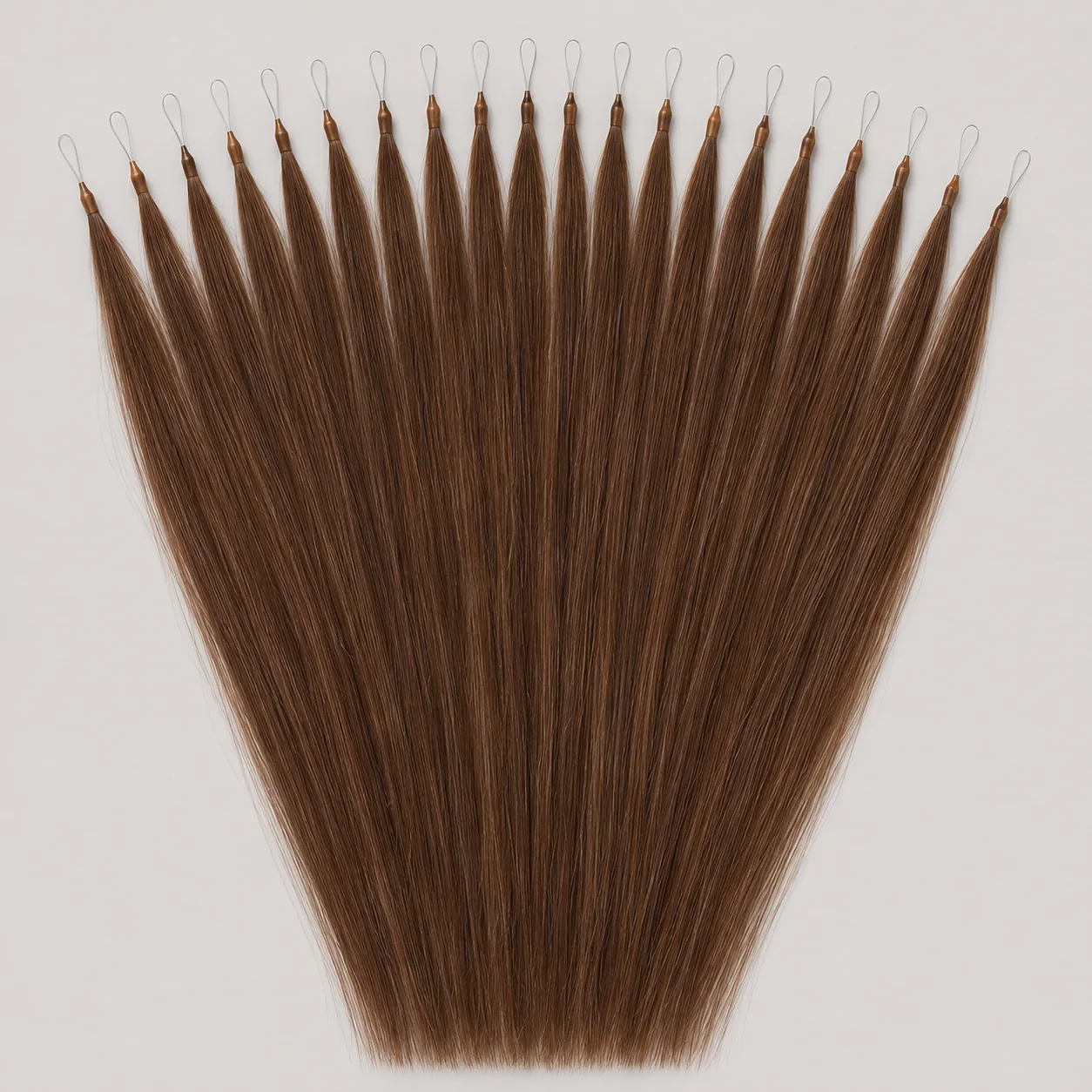
A reference bundle or pack
A shade you already sell or want to add, sent in the form you have it.A strand cut from another supplier's chart
Counts as a reference when it is real human hair, labelled with the row it is for.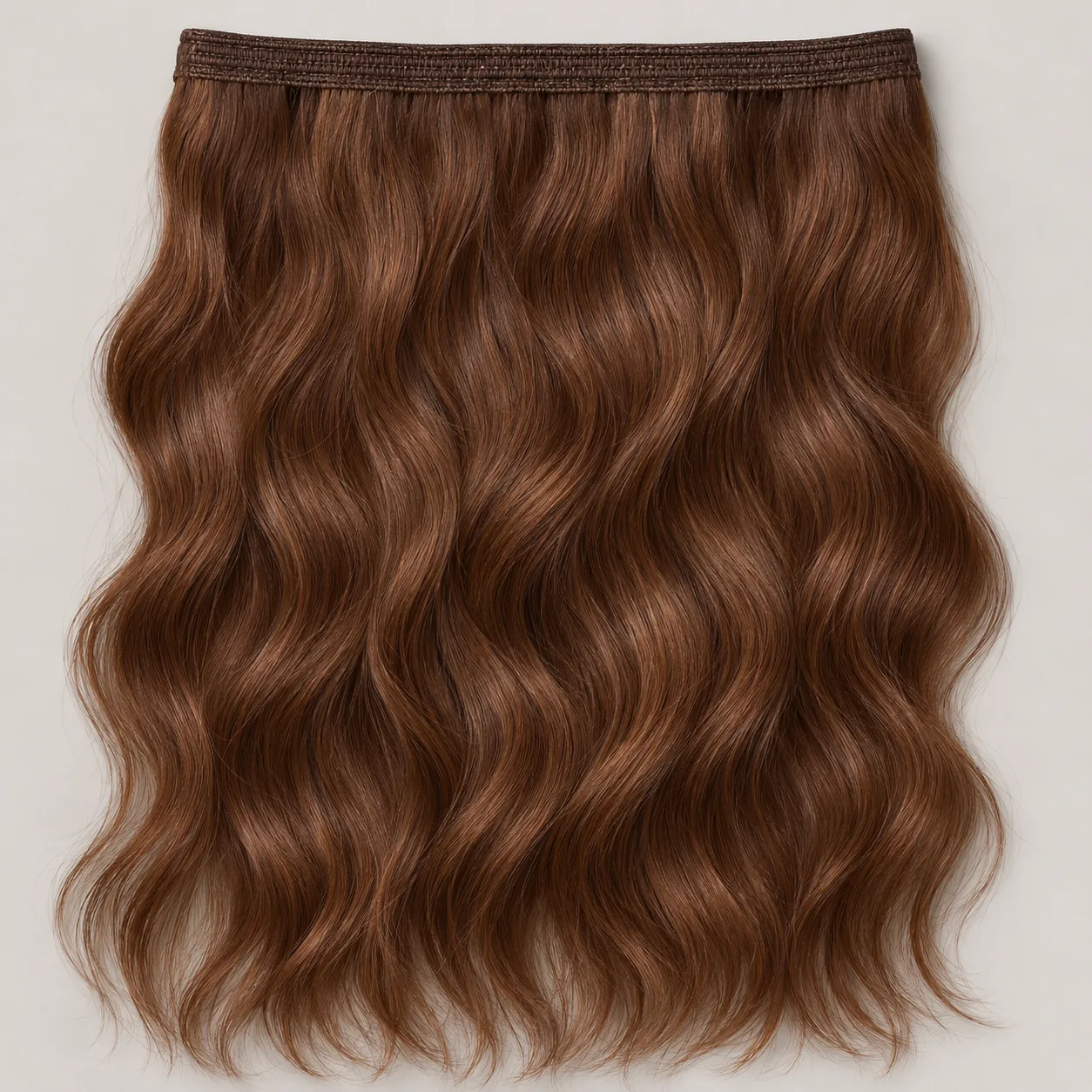
A spec code you already hold
The retained sample for that code becomes the reference for the new row.


Colour Codes From Other Charts — Rewritten to a Physical Reference
Many colour rows reach us written as a number: 1B, #4, 613, a position on another supplier's card, or a mix such as P18/613. We don't work from a colour ring or colour chart numbers; colour is confirmed on physical hair. Each code you send is turned into a reference we can sample to, and your contact walks it through the steps below.
- Read
Reading the code
Your contact reads the colour field on every row before anything is sampled. A code in that field stays off the row as its colour, because the same number describes different hair at different suppliers. Your contact replies asking what the code stands for in your order: a shade already on your shelf, the colour of a particular client, or a strand on a chart you bought somewhere else.
- Reference
Finding the reference
Your contact then asks for a piece of hair in that shade.
- If you sell the shade already, a pack or bundle from your stock is the reference.
- If the code came from a client's consultation, a swatch from that client is the reference.
- If you hold another supplier's chart, cut the strand you mean, check it is human hair, and label it with the row number.
- If the shade is one you have already confirmed with us, write the spec code and its retained sample does the job.
Your contact gives you the address for references in the reply.
- Note
Keeping your code beside the field
The number you used is kept as a note next to the colour field. When your contact sends the spec sheet back, each row shows the code you wrote and the reference it was rewritten to, for example
your note: 613; colour: matched to reference bundle, row 4
.You check that every row reads the way you meant before sampling starts. A row that still lacks a reference is marked and held until you send one or ask for a first sample made from a description, as set out under colour rows without a reference.
- Your contact asks:
- A shade on your shelf?
- A particular client's colour?
- A strand on another chart?
- TonesTwo tones · one row per tone
- Virgin · RawA lighter shade on a Virgin or Raw row · back to you before sampling
- Tones
Codes that carry two or more tones
Codes written with T, P or R, or any mix of two numbers, describe more than one shade. Each tone becomes its own row with its own reference, as set out under mixed tones below.
Both are set out below - Virgin · Raw
Lighter shades on Virgin and Raw rows
A code such as 613 on a Virgin or Raw row asks for a colour those hair types do not carry. That row is returned to you before sampling so you can choose which field changes.
- Sample
Sampling and judging
Each sample comes back as the panel, weft, strand or pack its row describes, tagged with its row number. Your stylist or buyer lays it beside the same reference you sent and compares the two where the hair will be worn or sold. A shade that reads too warm, too light or too flat goes back as a note against that row; your contact turns the note into a revision and a fresh sample follows.
- Code tag
What you hold afterwards
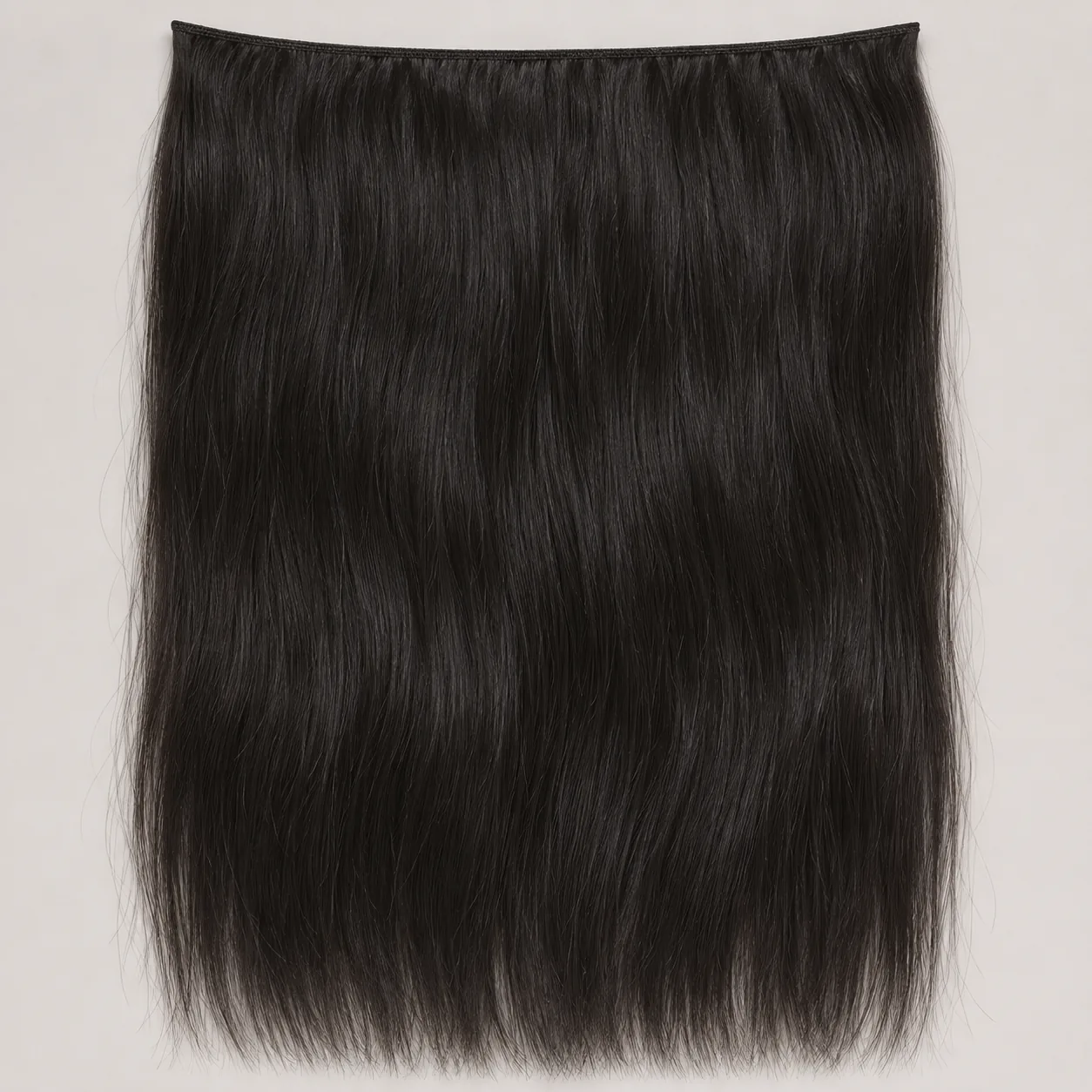
When the row is confirmed, your spec sheet shows the spec code, the reference it came from, and your original code as a note. The first shipment on the row brings a code tag to hang on your approved sample, matching the tag on the retained sample we hold.

Your team can keep using the numbers they know, and every order behind them runs on the code and the physical sample.
Photos and Screenshots on a Colour Row — Confirmed on Hair
You can send photos with your rows: a client's hair under salon light, a screenshot from a product listing, a picture of the shelf pack you want to match, or a phone shot of the swatch you are about to post. Spreadsheets, photos and text all reach the same contact, who writes them up as one spec sheet.


What a photo does
Your contact uses photos to read the row. A photo shows which line you mean, where a highlight sits on a client's head, which part of a multi-tone swatch belongs to which row, or how a wave falls on a pack you already sell. That is often quicker than describing the same things in writing.
Where colour is fixed
Colour on the row is confirmed on the sample, held against hair. A shade agreed on a screen would therefore be agreed on a picture of the hair, and the shipment would be checked against something nobody can hold. So a photo stays attached to the row as a note, and the colour is fixed when your stylist or buyer confirms the sample in hand.


Where a photo is the only thing you have for a shade, it can still start the row. The next section sets out how a first sample is made from a photo or a written description, and why that sample is treated as a proposal until you confirm it.
First samples from a photo or description
The same hair looks different from one phone camera to the next, and again on each screen it is viewed on, depending on the light it was taken in and the display settings.
Colour Rows Without a Reference — First Sample as a Proposal
Some buyers have no hair to send. A distributor setting up a new range, a store adding a shade it has never carried, or a brand planning its first products may know the colour only as a description, a photo or a code from elsewhere.
In that case your contact makes the first sample from what you have. You describe the shade in your own words: how light or dark it is, how warm or cool, whether it should sit close to a shade you already sell, and anything a customer has asked for. A photo can go with it. Your contact writes this onto the row as the colour note, and the row is sampled in its structure like any other.
That first sample is a proposal.
The colour on the row is not fixed until you have confirmed it on physical hair. When the sample arrives, your buyer or stylist judges it in hand.
When it is right
If it is right, you confirm the row, it receives a spec code, and the sample you approved becomes the reference for every later order.
When it misses
If it misses, tell your contact which row and in which direction, for example warmer, darker or less ashy, and the proposal is revised and made again. Until a first confirmation exists there is nothing physical to hold a change against, so each revision is judged on a new sample.
Several versions of one shade
You can put several proposals for one shade into a single request, one row per version, so you can see a few versions of a shade side by side and confirm the one that fits.

Send Your Colour References With Your Sample Rows
Write your colour rows with whatever you have: a swatch on its way, a bundle from your shelf, a strand from another chart, a spec code, a photo or a description. Your contact returns a spec sheet and the address for your references.

Colour Fields Returned Before Sampling — Mixed Tones and Virgin/Raw Shades
Two kinds of colour row come back to you before anything is sampled.
Mixed tones
Highlights, blends, two-tone heads and any code naming more than one shade are split so that each tone sits on a row of its own, sampled on its own, and combined by the stylist during fitting.
Where several tones share one swatch, say on the swatch tape or in the note which section belongs to which row; tones from different areas of the head each need their own swatch.
Virgin and Raw rows
Colour on these two hair types is the hair's own shade, set by your reference. Ask for a shade that only dyeing or lifting can reach, and the row's fields contradict each other, so it comes back marked for you to settle: a natural shade on the same hair type, or the requested shade on a different hair type.
[A shade that needs lifting] · back to you before samplingMore on hair type and colour: Remy vs Virgin vs Raw Hair Extensions.


Bundle Texture Names — Straight, Body Wave, Deep Wave
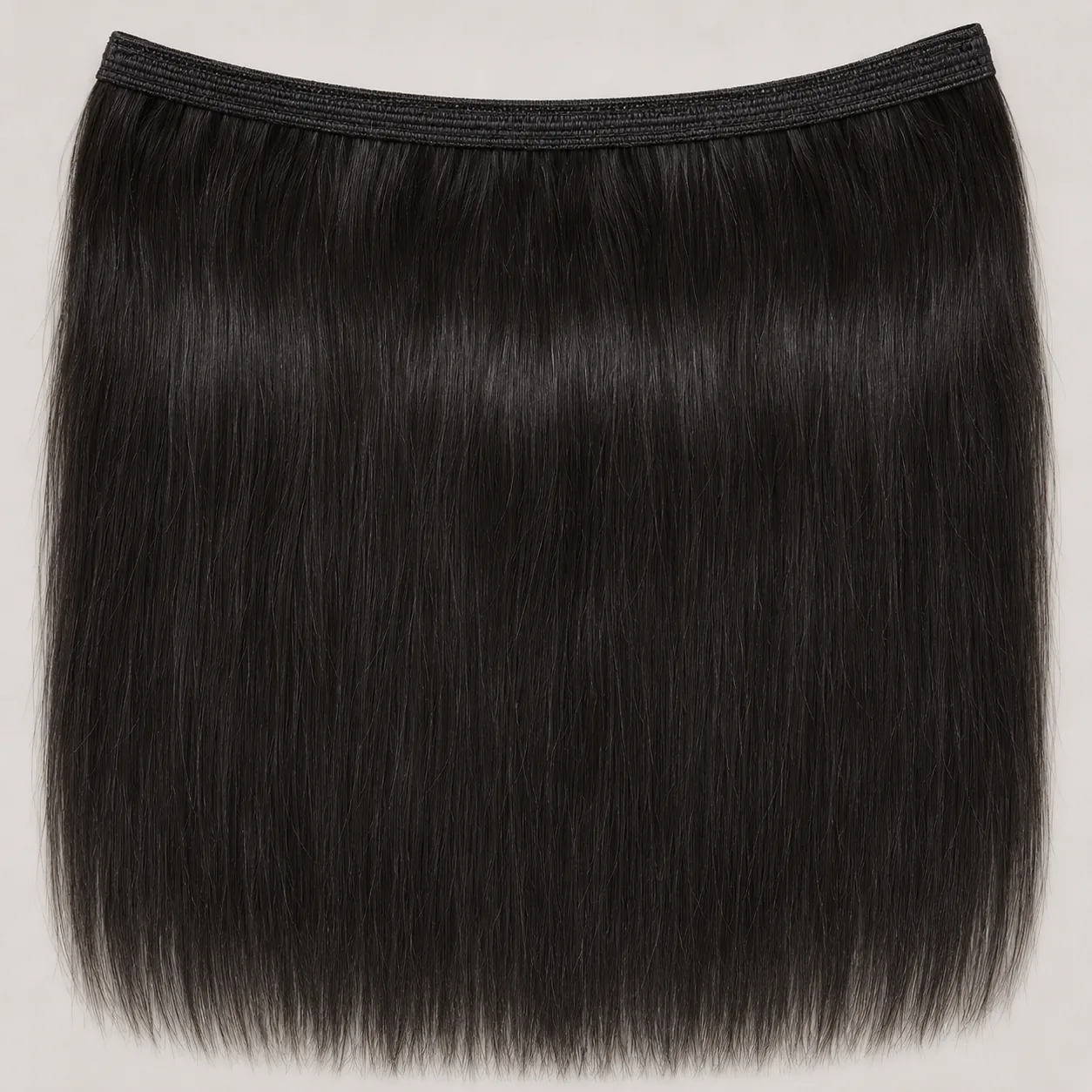
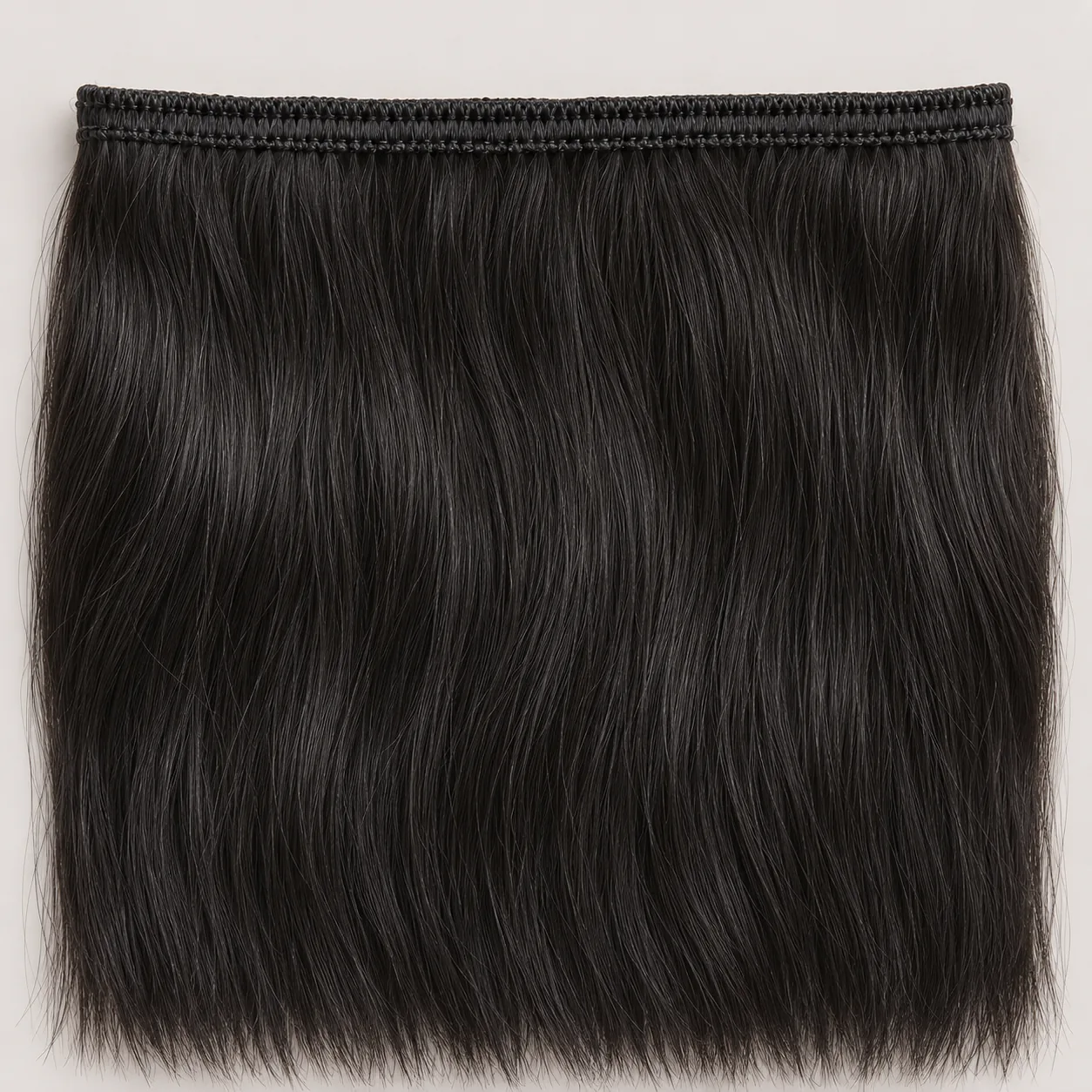
These three names are used on bundle rows. Each one is confirmed on a whole-pack sample and checked against the retained pack before every shipment. Pack weight, length method and end fullness for bundles are on the Human Hair Bundles Wholesale page.
Straight
Smooth hair with no wave.Body wave
A loose, broad S-shaped wave.Deep wave
A tighter wave with the waves set closer together.


Texture on Other Lines — Matched to Your Reference
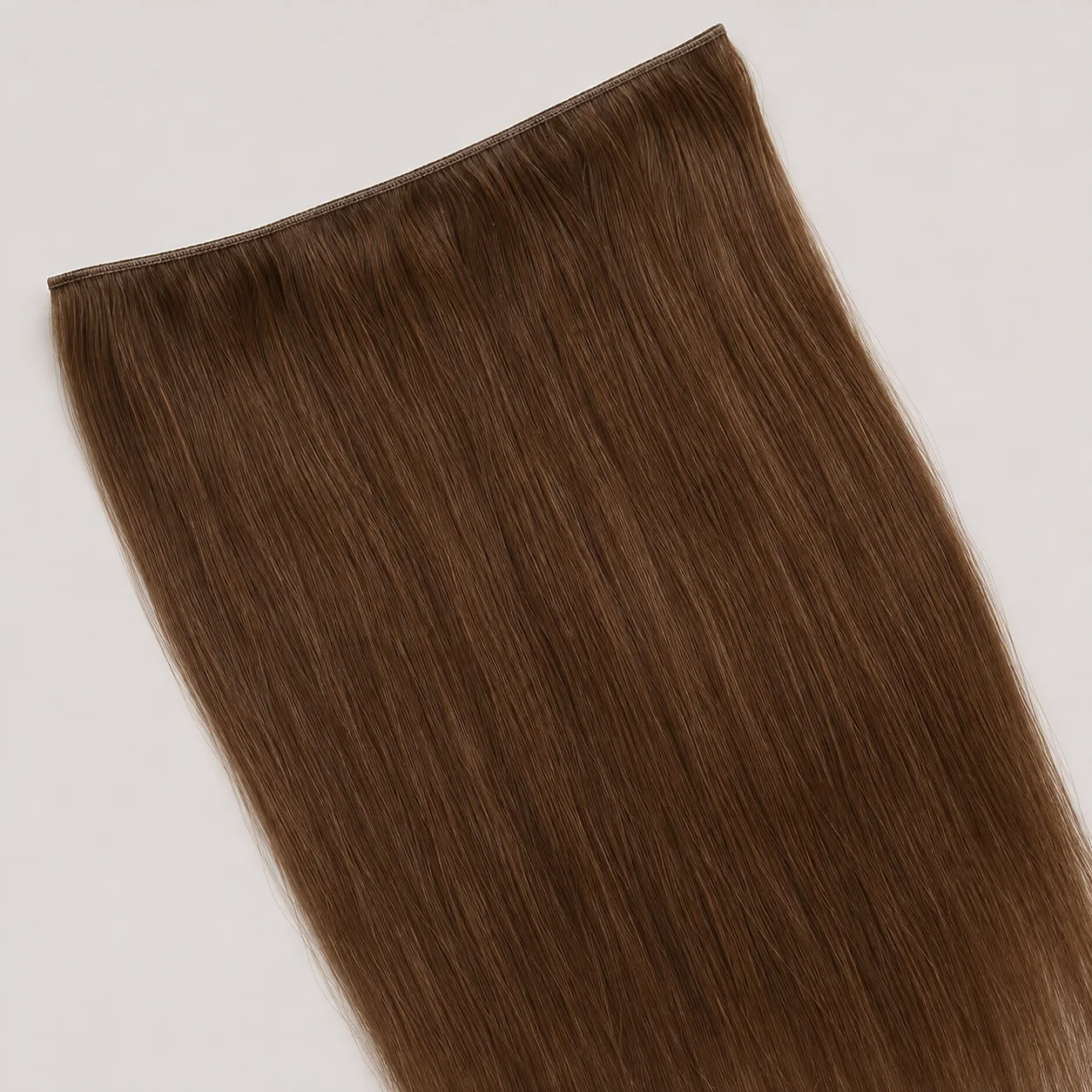
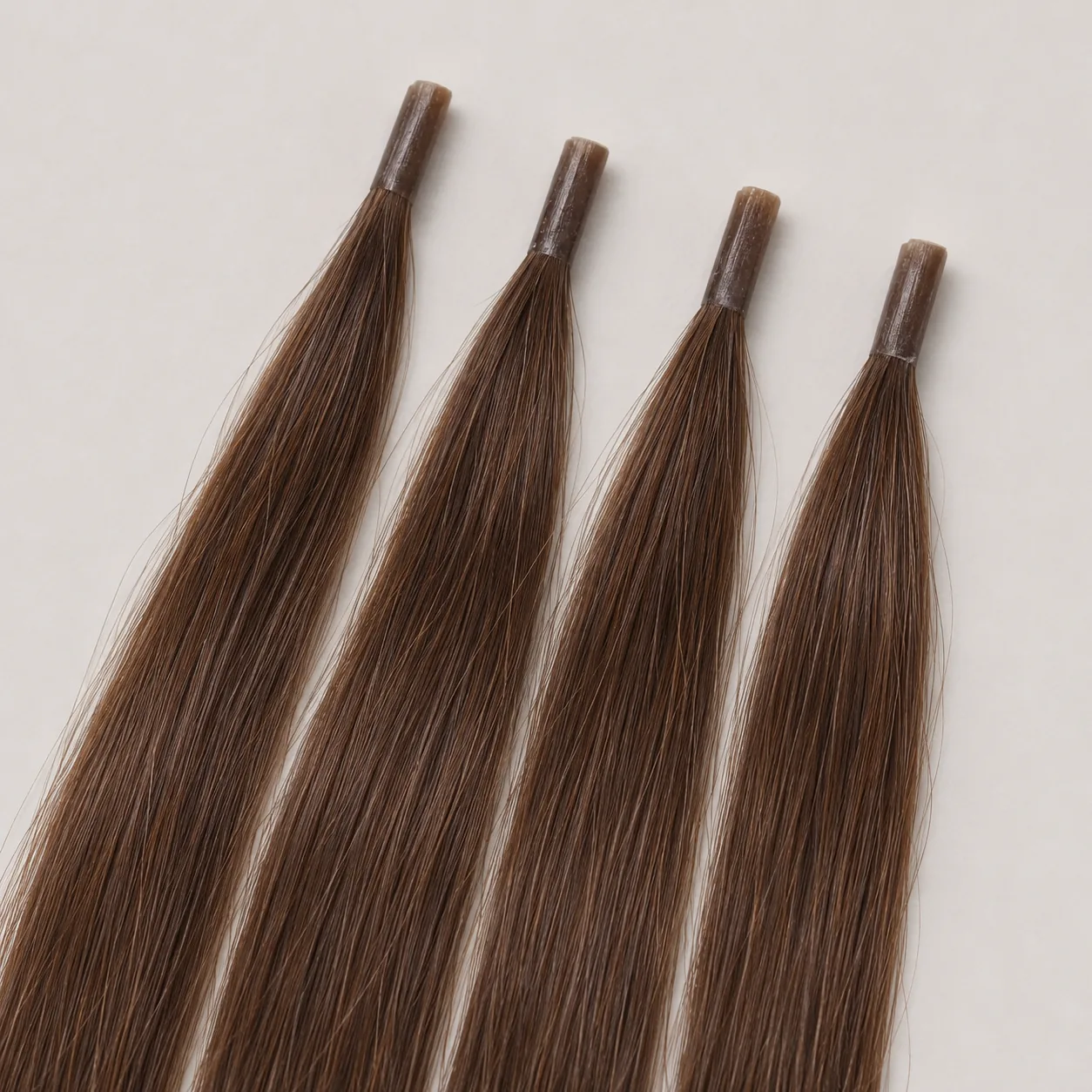
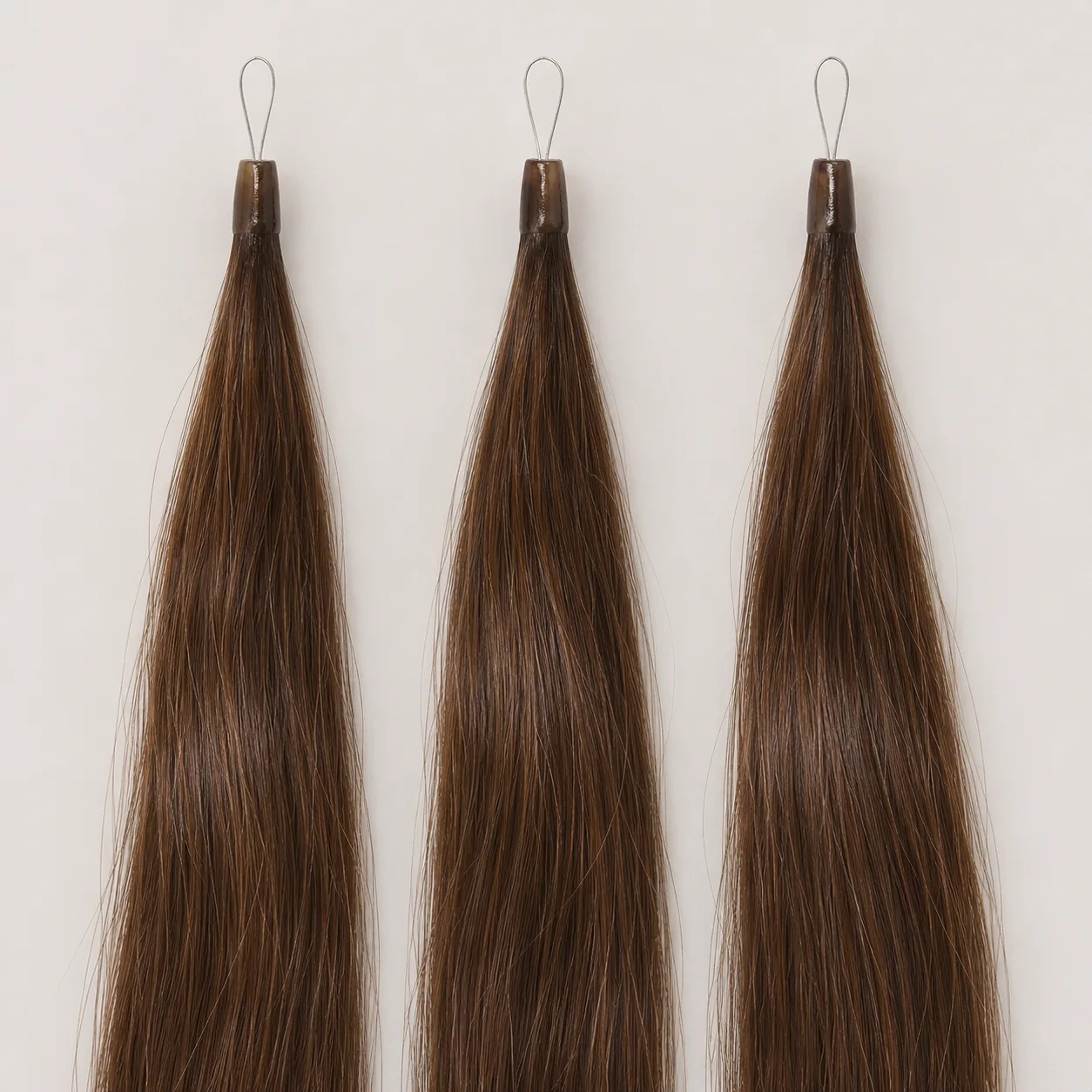
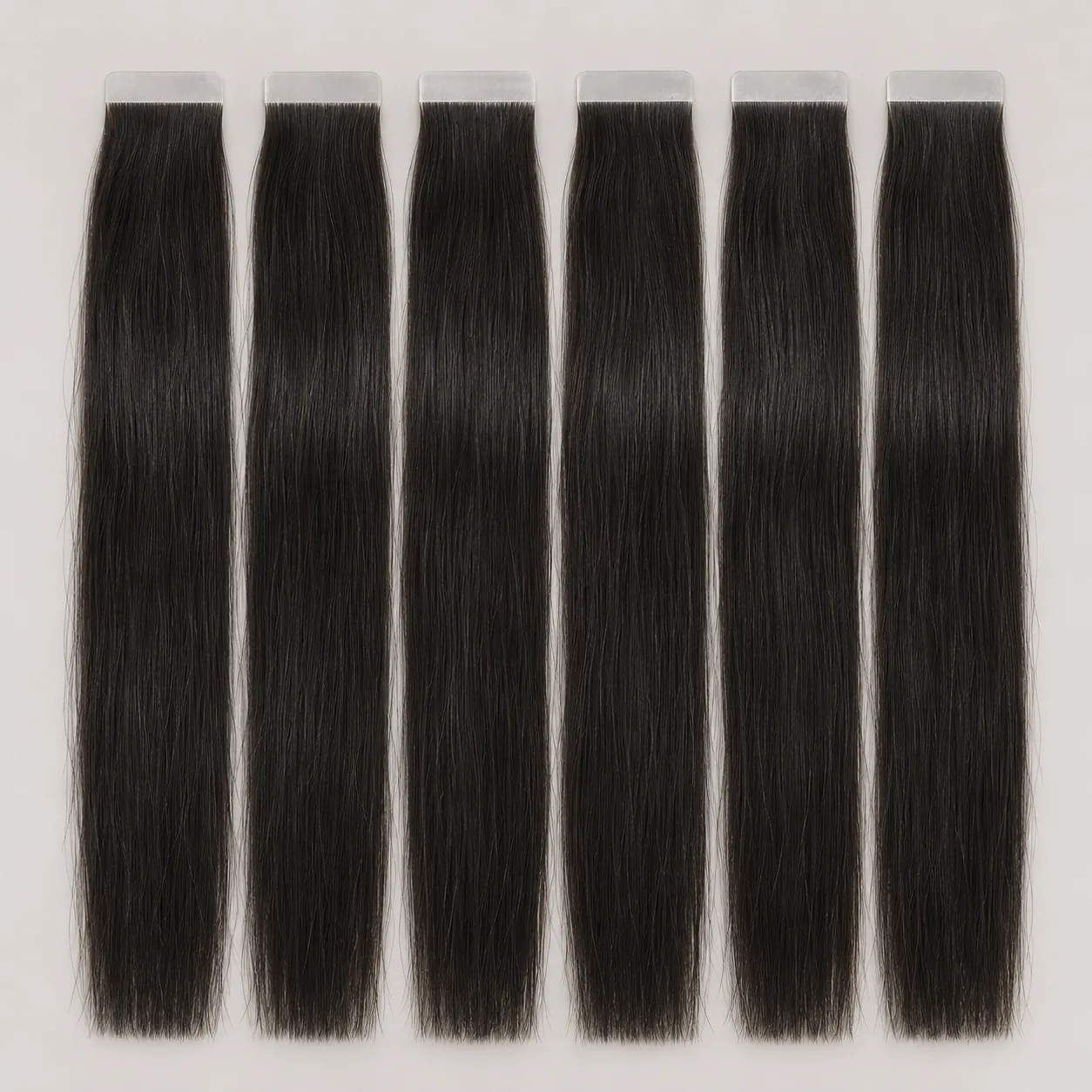
On tape-in, genius weft, machine weft, I-tip, nano tip and bulk hair rows, the texture field reads "to your reference". The reference works the same way as for colour: a client swatch, a pack or bundle from your shelf, or a spec code you already hold. Your contact records which one the row is matched to.

- Tape-in
- Genius weft
- I-tip
- Nano tip
On the actual structure
A texture word you use for one of these lines, from your own range, a client's request or an earlier supplier, goes beside the field as a note, and the texture itself is matched to the reference. The sample shows you the texture on the actual structure, so your stylist sees how a wave sits on a tape panel, along a weft or down a single strand, which can read differently from the same hair in a swatch.
After confirmation
Once confirmed, the texture belongs to the spec code, and every shipment on that code is compared with the retained sample for texture alongside colour. A change of texture on a confirmed row is a new row and is sampled again.
New row · sampled againOn Virgin and Raw rows, texture follows the reference too. A wave that could only be reached by perming the hair is treated as a field conflict and returned to you, in the same way as a dyed shade on those rows.
-
Your Colour Chart on Our Account — Approved Samples and Spec Sheet
Your colour chart with us has two parts: the approved samples you keep, and the account spec sheet we keep for you.
Approved · yoursSpec · [code] Retained · oursSpec · [code] The approved samples
Each sample you confirm stays with you. The first order on that row brings a tag printed with its spec code, which goes on the approved sample. Over time your confirmed shades form a set of tagged samples, each in the structure you ordered it in. When an order arrives, you lay a pack beside the approved sample with the matching code and compare them in hand.
Our retained samples
For each spec code we keep a retained sample with the same code tag. That retained sample is the reference for every repeat order on the code, and before each shipment the colour and texture of the row are checked against it. Each row's check is recorded on the packing list, and each pack is labelled with its code.
The account spec sheet
Your written chart is the account spec sheet; ask your contact and a current copy is sent over. Each code on it is written out in full, colour included, with the reference that colour was first matched to. Alongside each code it can carry your own notes, including the shade name you use in your store or under your brand, the code you knew it by from another chart, your SKU number, or a salon's client number. Those notes help your team find the right code. Pack labels carry the spec code only.
Spec · [code]Colour · [reference][Shade name]Spec · [code]Colour · [reference][Old code]Spec · [code]Colour · [reference][SKU]Spec · [code]Colour · [reference][Client no.]Spec · [code]Colour · [reference][Shade name]Spec · [code]Colour · [reference][Note]Keeping it to your account
Your spec sheet, codes, shade names and notes are used for your orders and are not shown to or used for any other buyer.
One Shade on Several Lines — One Code per Structure
A shade confirmed on one line gets its own new row and code on each further line, sampled on that structure against the original retained sample; the Human Hair Extensions page sets out how.
- Retained sample
- New structure
- Held beside it
- New code
- A change to a confirmed shade or texture is a new row, sampled and confirmed again. The original code stays on your sheet as it was.

Hair Extension Colour and Texture FAQ — Codes, Photos, Mixed Tones

Is there a colour chart I can order from?
Your colour chart is built on your account from the shades you confirm: your tagged approved samples, our retained samples, and your account spec sheet listing every code.
Can I order by a colour code from another supplier's chart?
Send the code, and your contact asks what it stands for and for a piece of hair in that shade. We don't work from a colour ring or colour chart numbers; colour is confirmed on physical hair, and your code stays on the row as a note.
Can I order 613 or another light blonde on Virgin hair?
Virgin and Raw rows take the hair's own shade. A blonde that needs lifting comes back to you to decide: keep the hair type with a natural shade, or keep the blonde on another hair type.
Can I pick a colour from a photo?
A photo helps your contact read the row and can start a first sample. The colour is confirmed when you hold the sample against hair.
How are ombré, rooted and highlighted shades written?
One row per tone, each sampled separately; your stylist puts them together on the client.
Which textures can I choose?
Straight, body wave and deep wave are the names on bundle rows. The other six lines take texture from the reference you send.
How do I reorder a shade?
Send its spec code with the quantity and destination; that code's retained sample is the standard the order is made and checked to.
Spec · [code]Colour and Texture Fields — What to Write on Each Row
Rows sent with a gap come back flagged, and sampling for that row waits until the gap is filled.

- Product line and hair typeOne of each per row.
- Colour referenceThe client swatch (with client number), the reference bundle or pack, the labelled strand from another chart, or the spec code you already hold.
- Colour noteAny code, shade name or SKU you use for it, and a photo if you have one.
- No reference yetA description of the shade in your own words, so the first sample can be made as a proposal.
- Mixed tonesA separate row for every tone, noting which section of the swatch it follows.
- TextureStraight, body wave or deep wave on bundle rows; "to your reference" with the named reference on every other line.
- Length and weightAs you measure and record them.
Related Pages — Samples, Salons, Hair Types, Product Lines
We supply salons, extension studios and independent extension stylists matching colour client by client; distributors, wholesalers and beauty supply stores who keep the same shades on the shelf restock after restock; wig-making studios who need bulk hair and bundles in a shade that suits the piece; and private label brands who sell their shades under their own name.
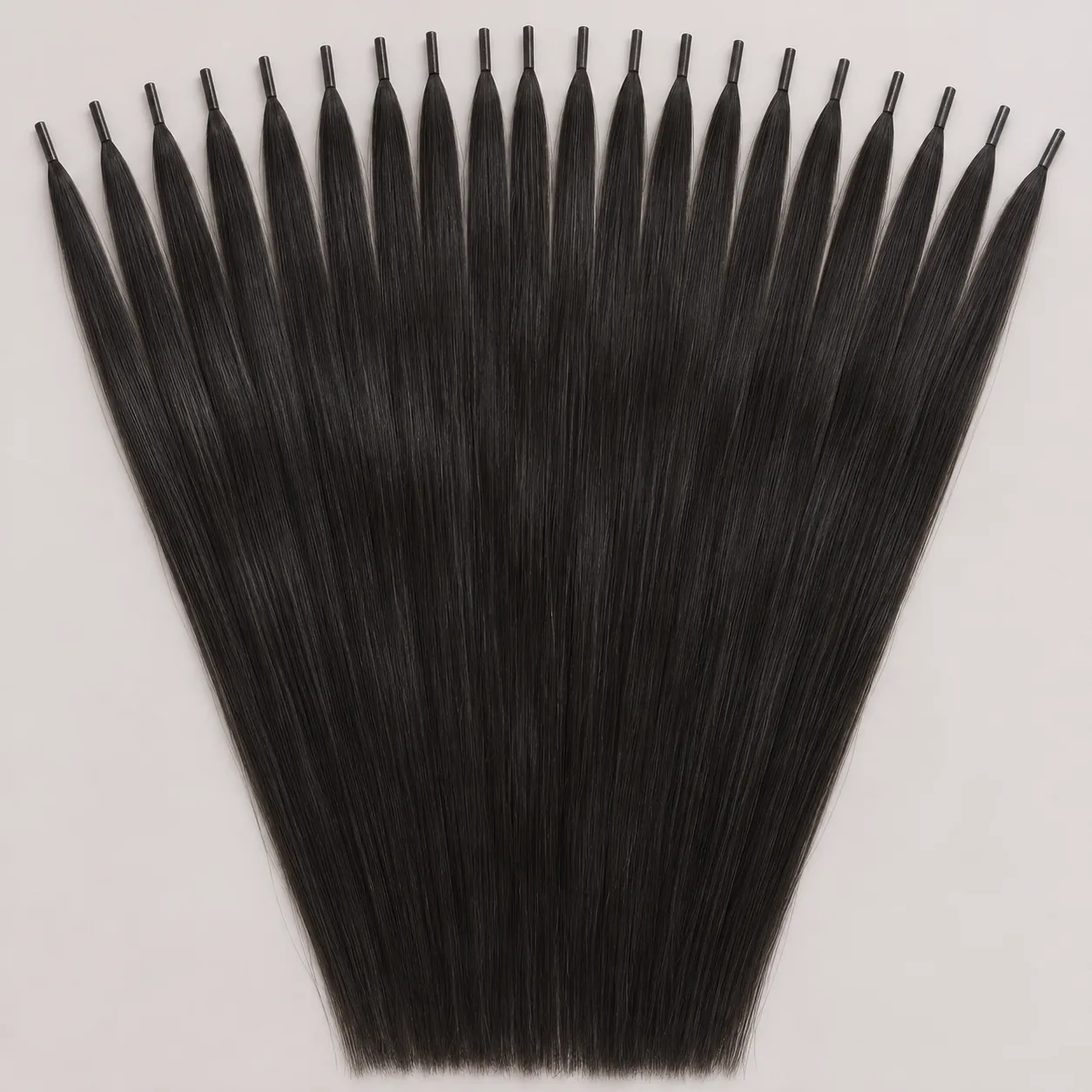
Hair Extension Samples
How to request samples row by row and check the parcel when it lands.Hair Extensions for Salons
Swatches cut in the chair, posted to us, and kept as client codes.Remy vs Virgin vs Raw Hair Extensions
The three hair types and the colour they can carry.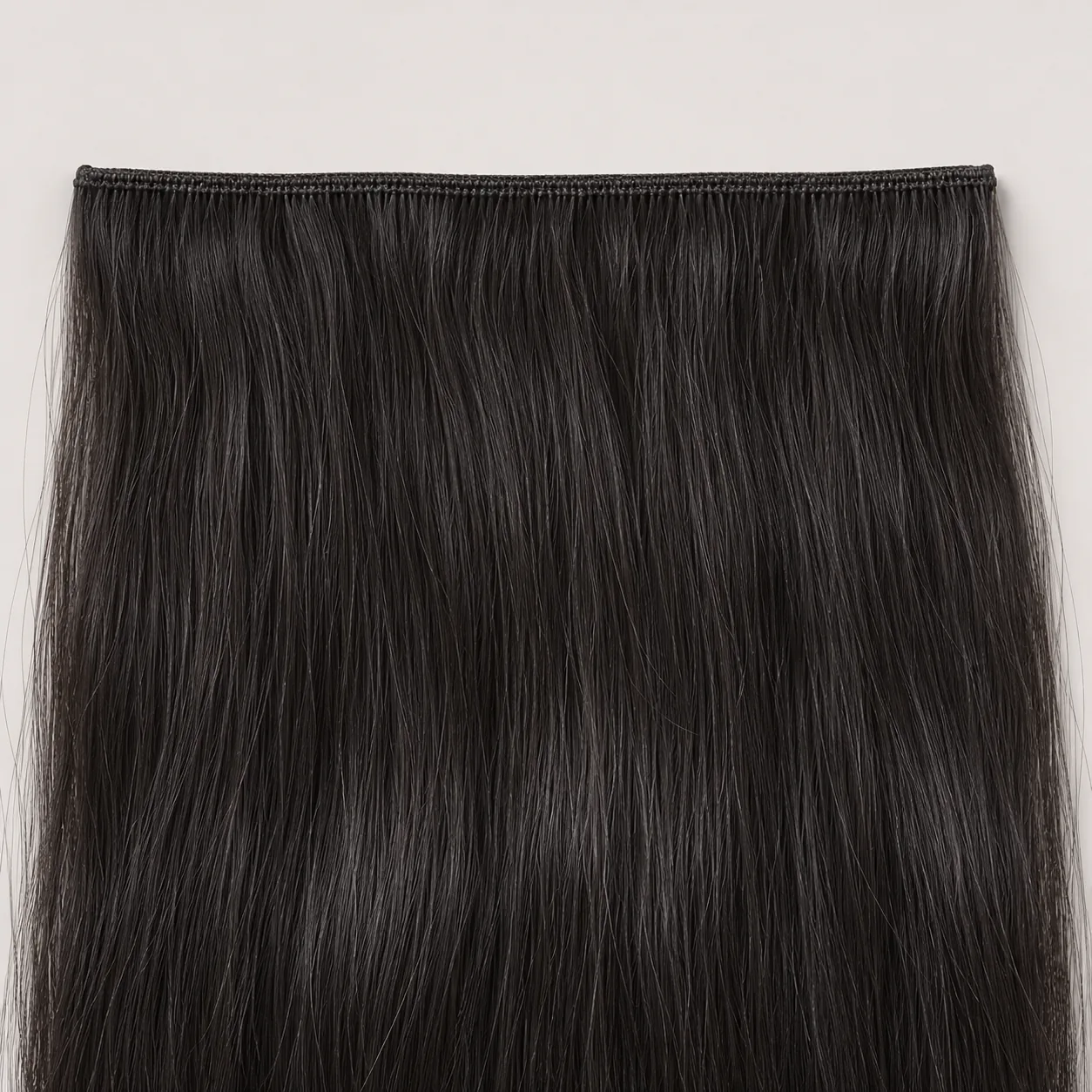
Human Hair Extensions
The seven lines compared, and a single shade carried onto new structures.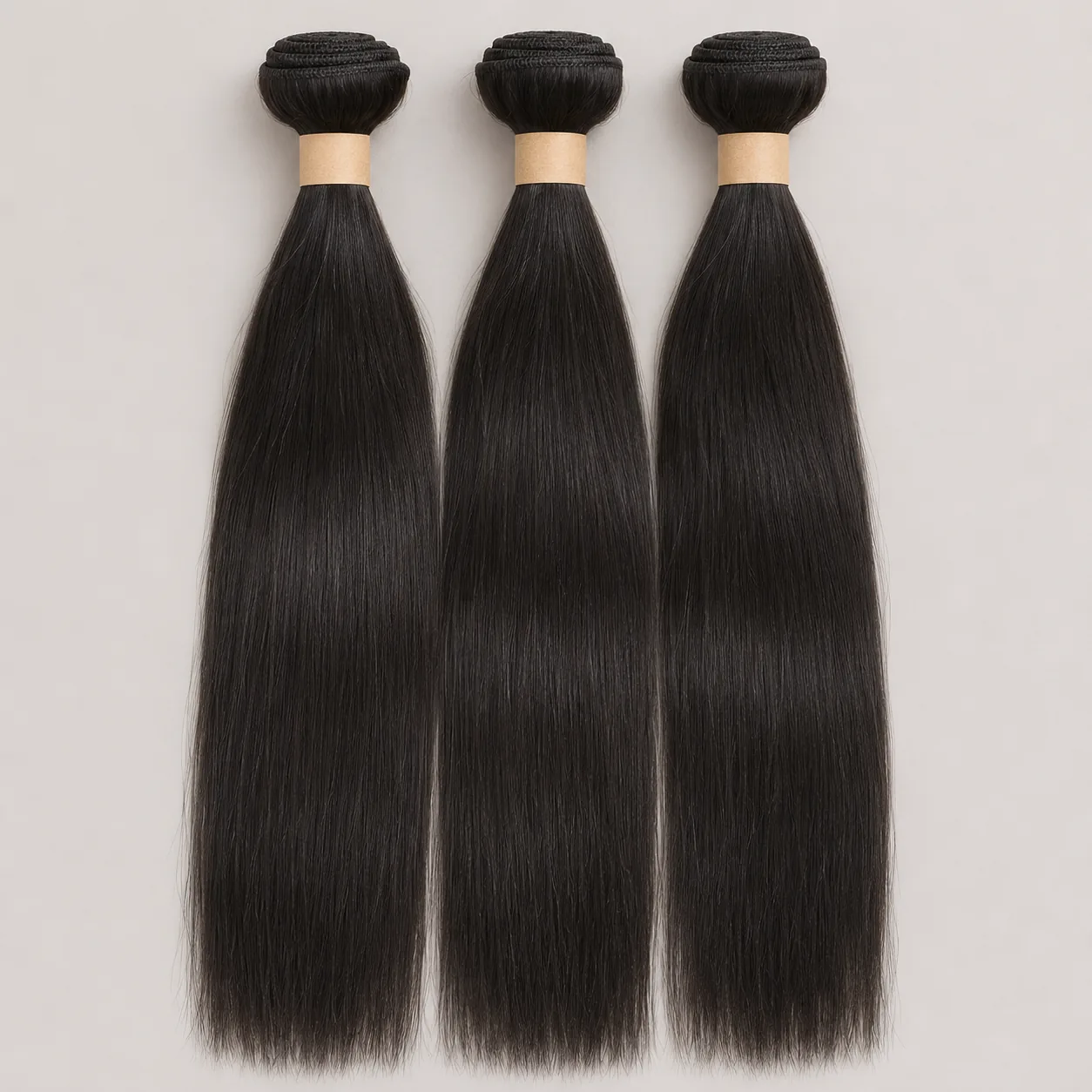
Human Hair Bundles Wholesale
Bundle textures, pack weight and length, and bundle sample checks.Contact
Form, WhatsApp number and opening hours.


Send Your Colour Rows
List your rows with the colour reference for each one, the codes or shade names you use, and the texture you want. Use Request Samples to have them sampled, Get Wholesale Quote once your rows hold spec codes, or Build a Mixed Order for shades across several lines on one order.