Hair Extensions Grams and Inches: A Length and Weight Guide

Length and weight for wholesale human hair extensions, written the way you measure and checked the same way at every step.

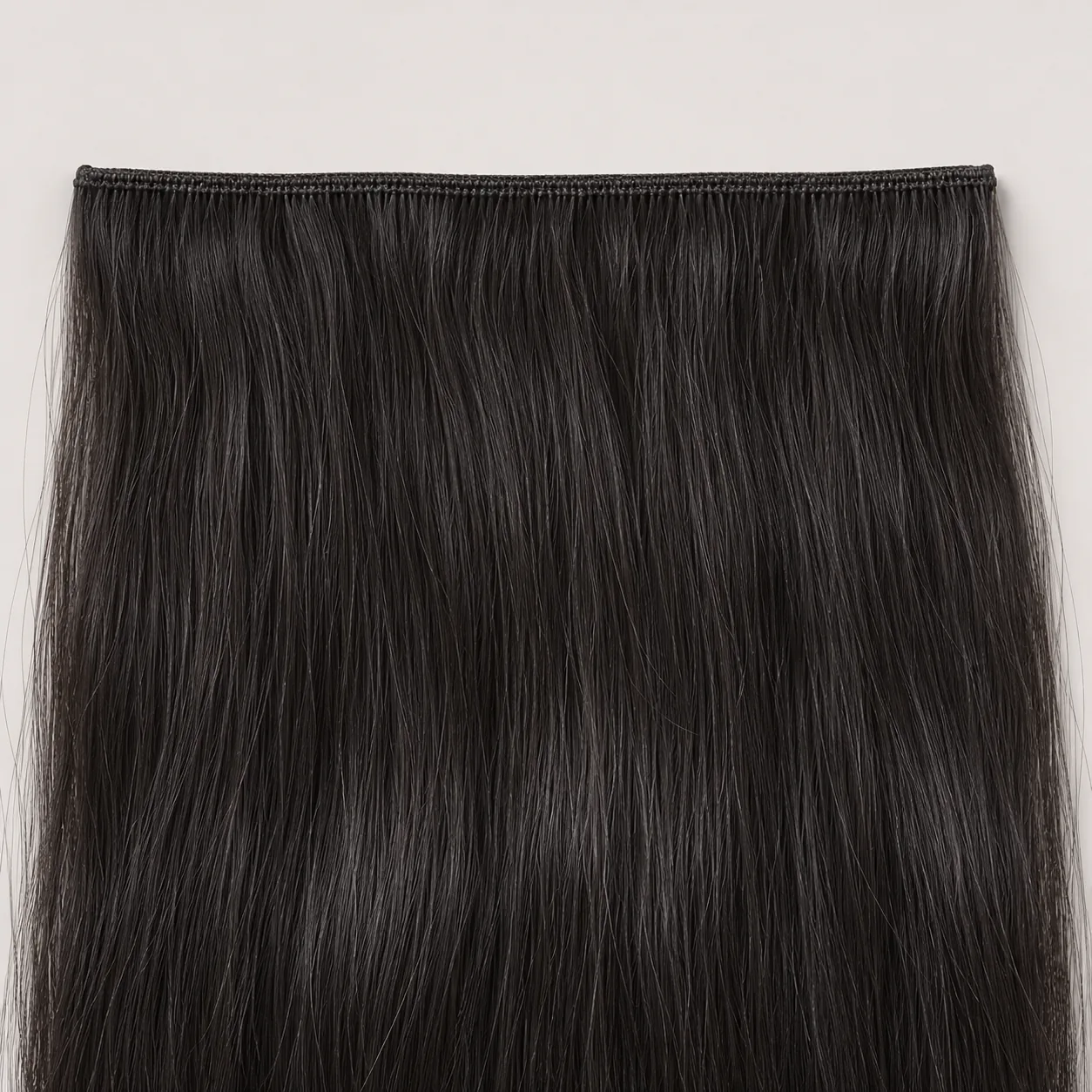
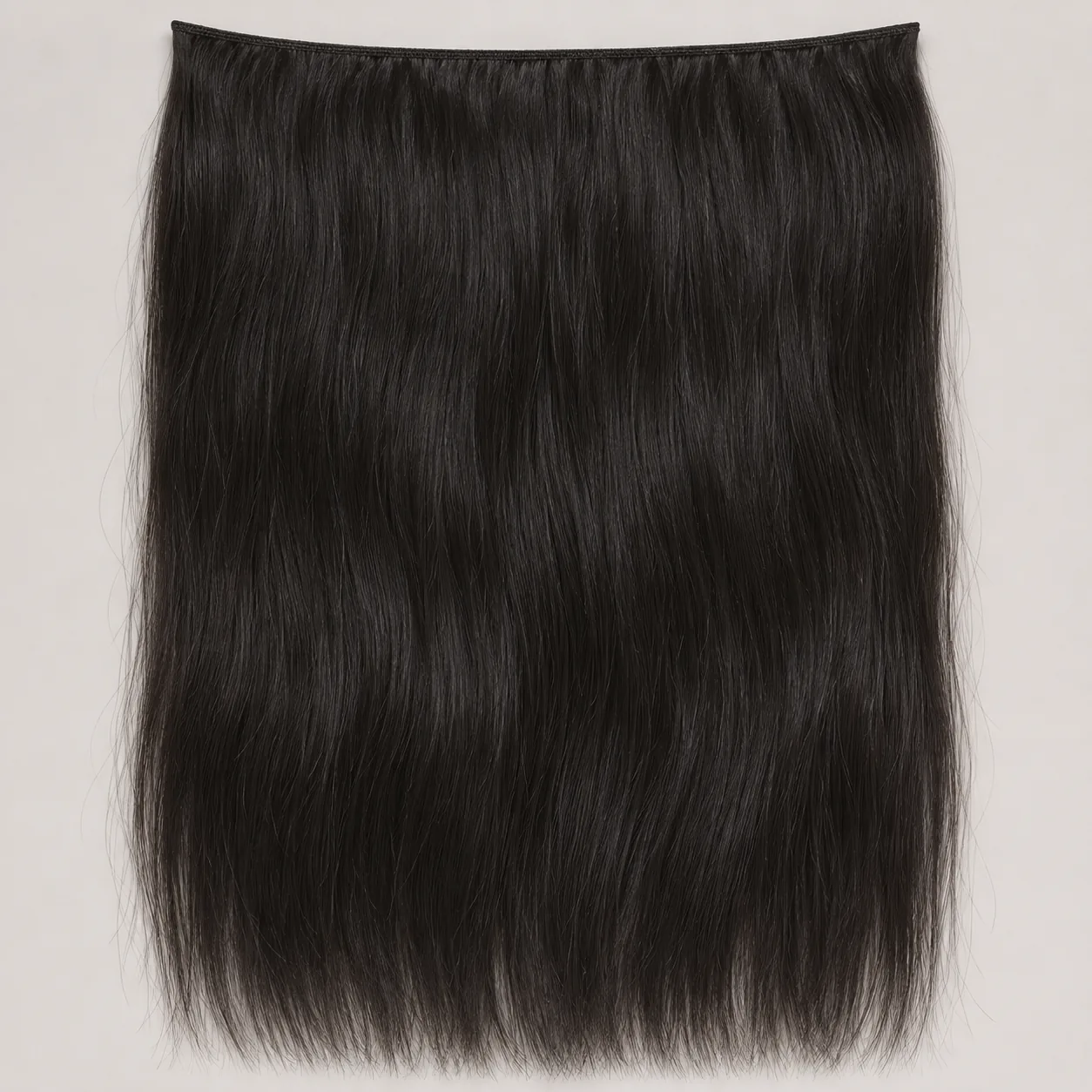
A long straight dark hair piece hanging from a stand against a plain wall
Length · taken below the seam
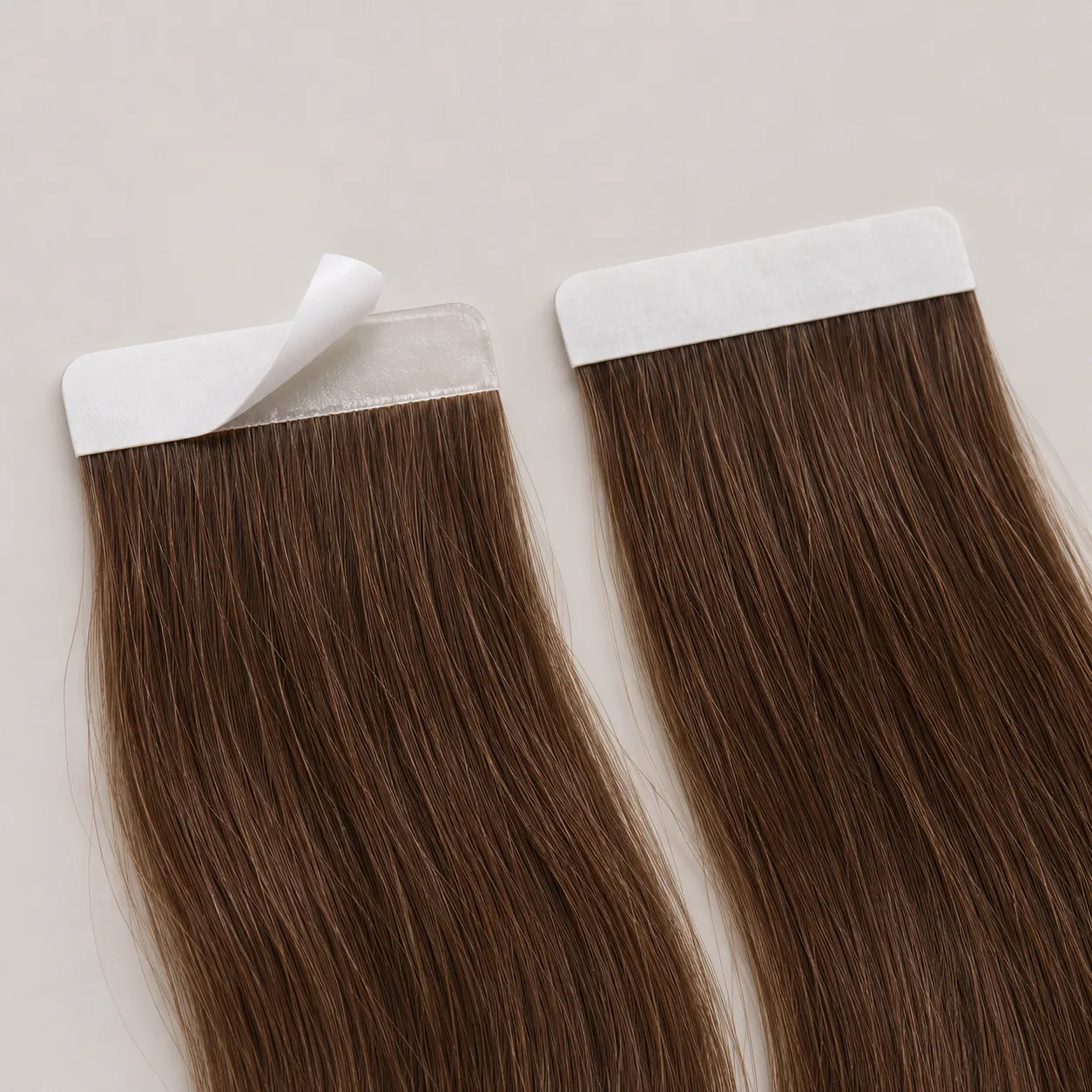
Close-up of brown hair lying in long smooth strands
  • One method · sample, shipment, arrival
  • WeightFigure[Figure]Unit[Unit]BasisAs your row has it
  • Every row weighed · before it leaves

Length and Weight Fields — Figure, Unit and Basis

On our spec sheets, length and weight are two of the fields every row carries, next to product line, hair type, texture and colour. Each of the two is recorded as three things: the figure you give, the unit it is in, and the basis it is taken on.

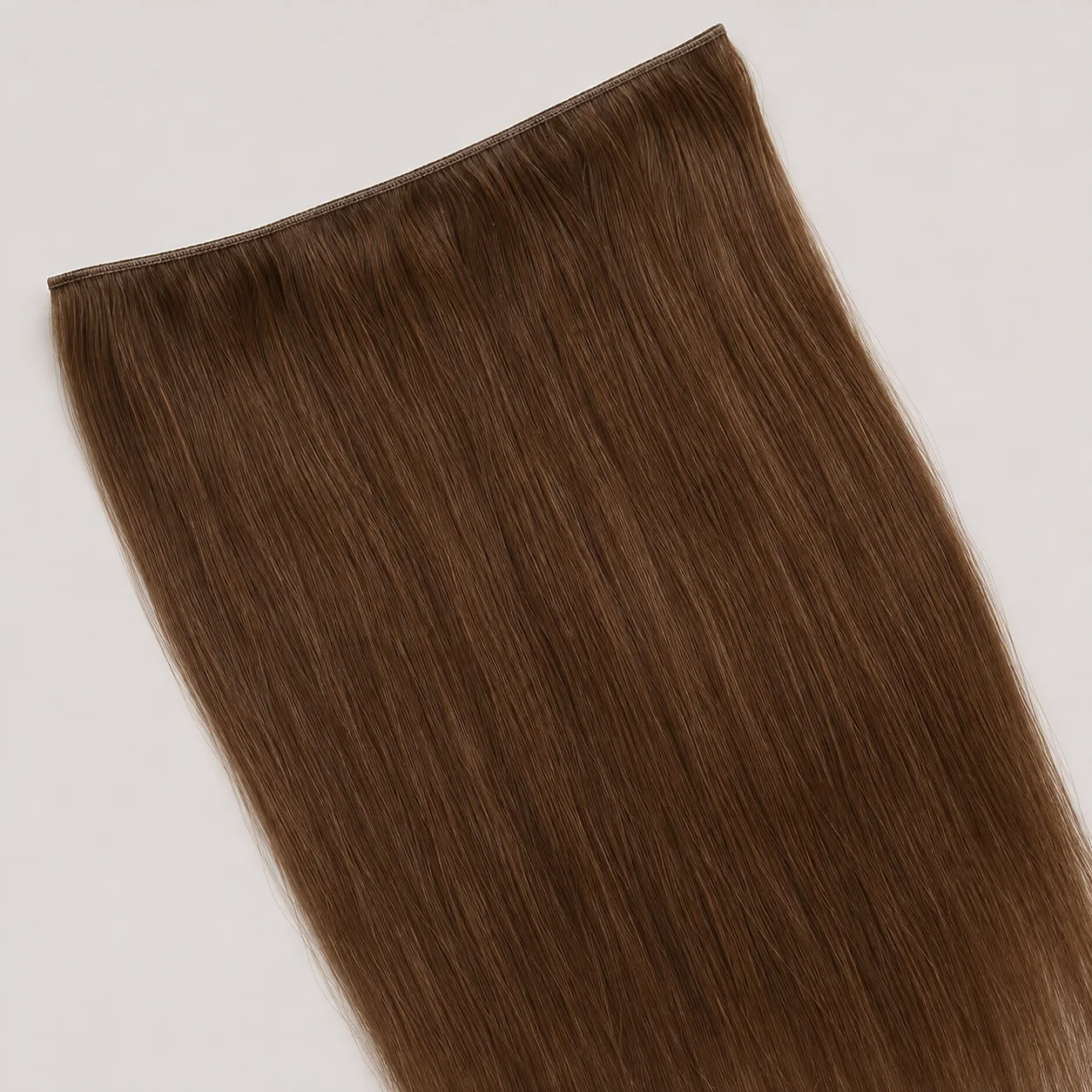
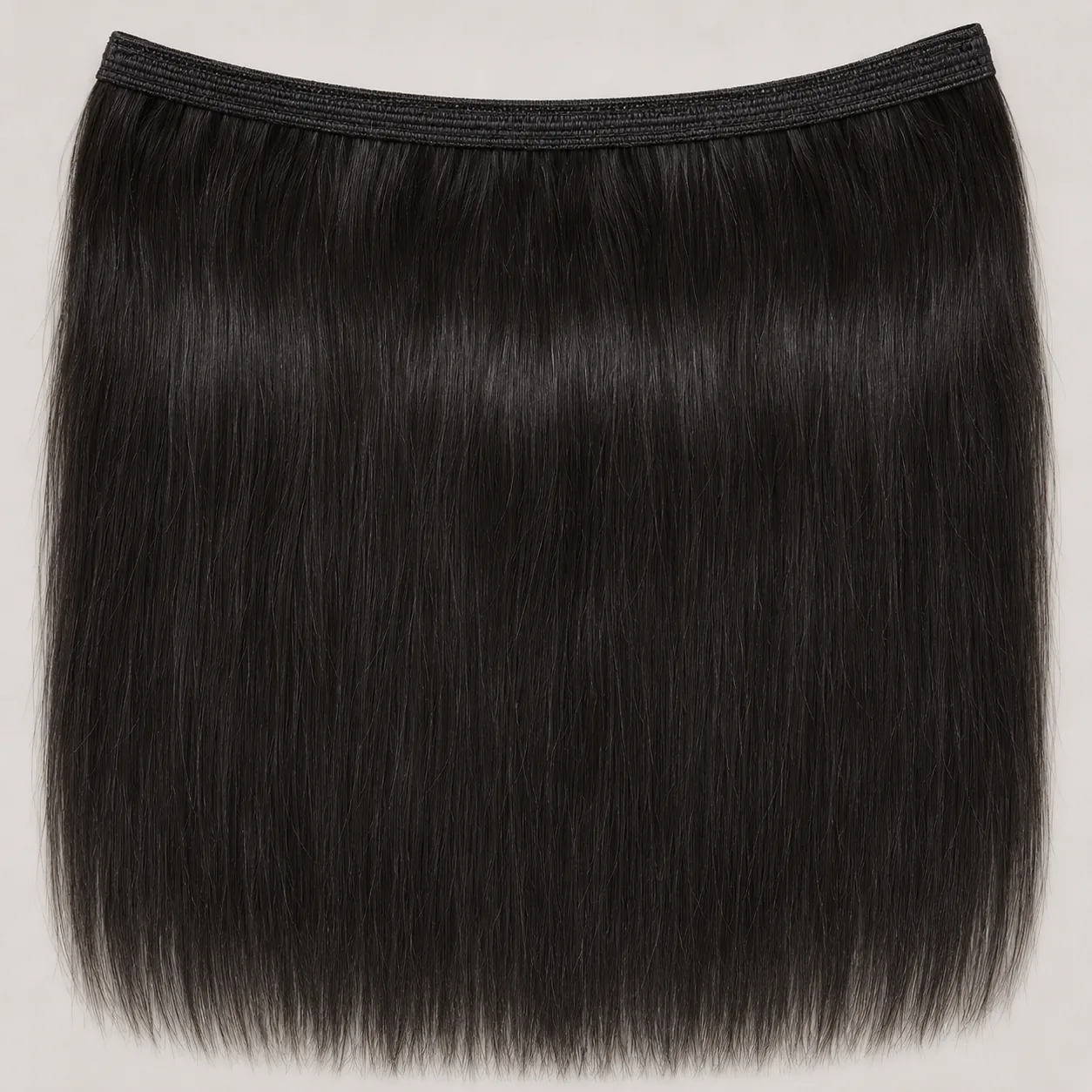
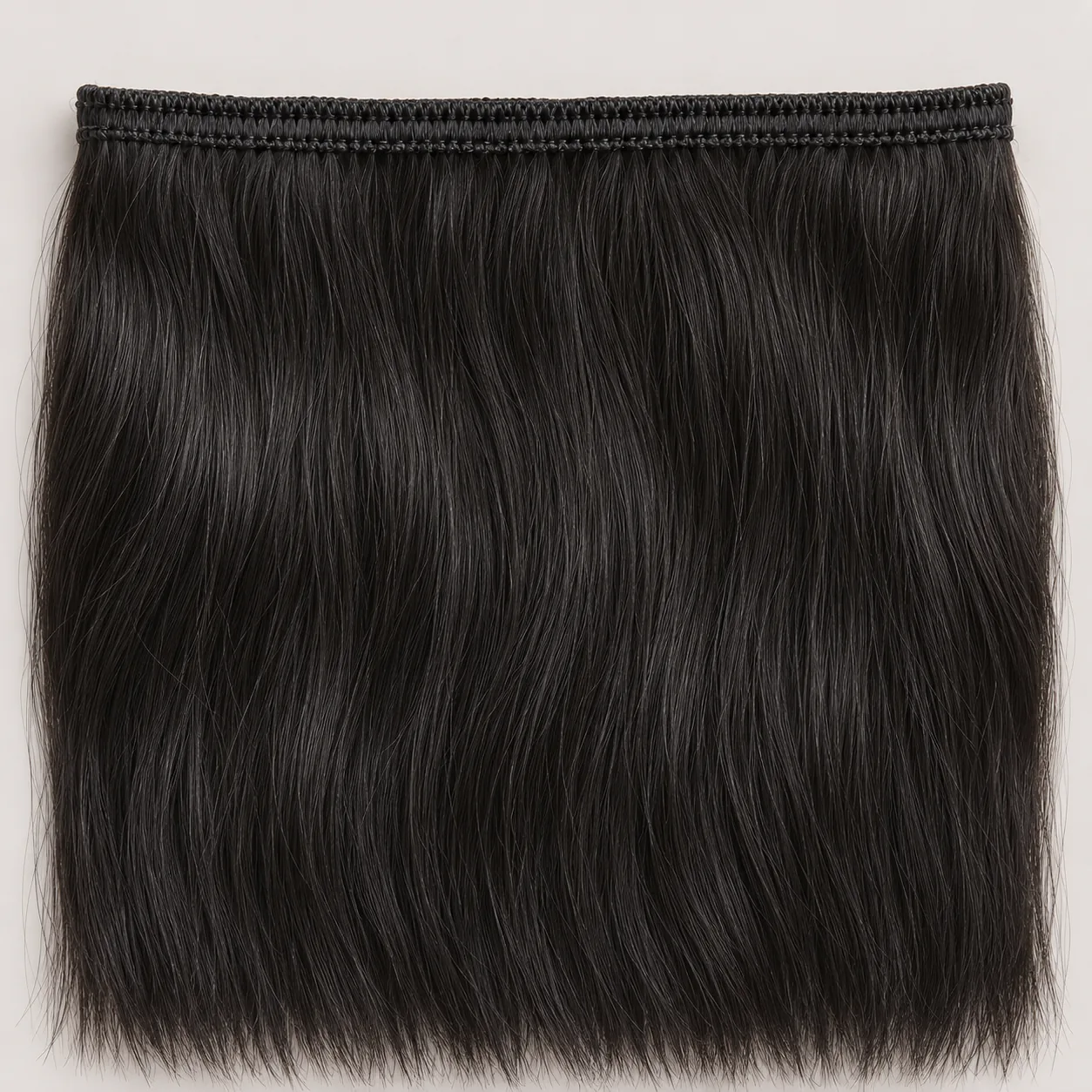
A straight black weft laid flat with its sewn top edge

Length

Figure
[Figure] · as you give it
Unit
The unit is inches or centimetres, whichever your team works in.
Basis
For length, the basis is a start point fixed by the line, as in the chart below, and a method you write on any row that is not straight hair: stretched, held straight while measured, or natural, left to fall as it lies.
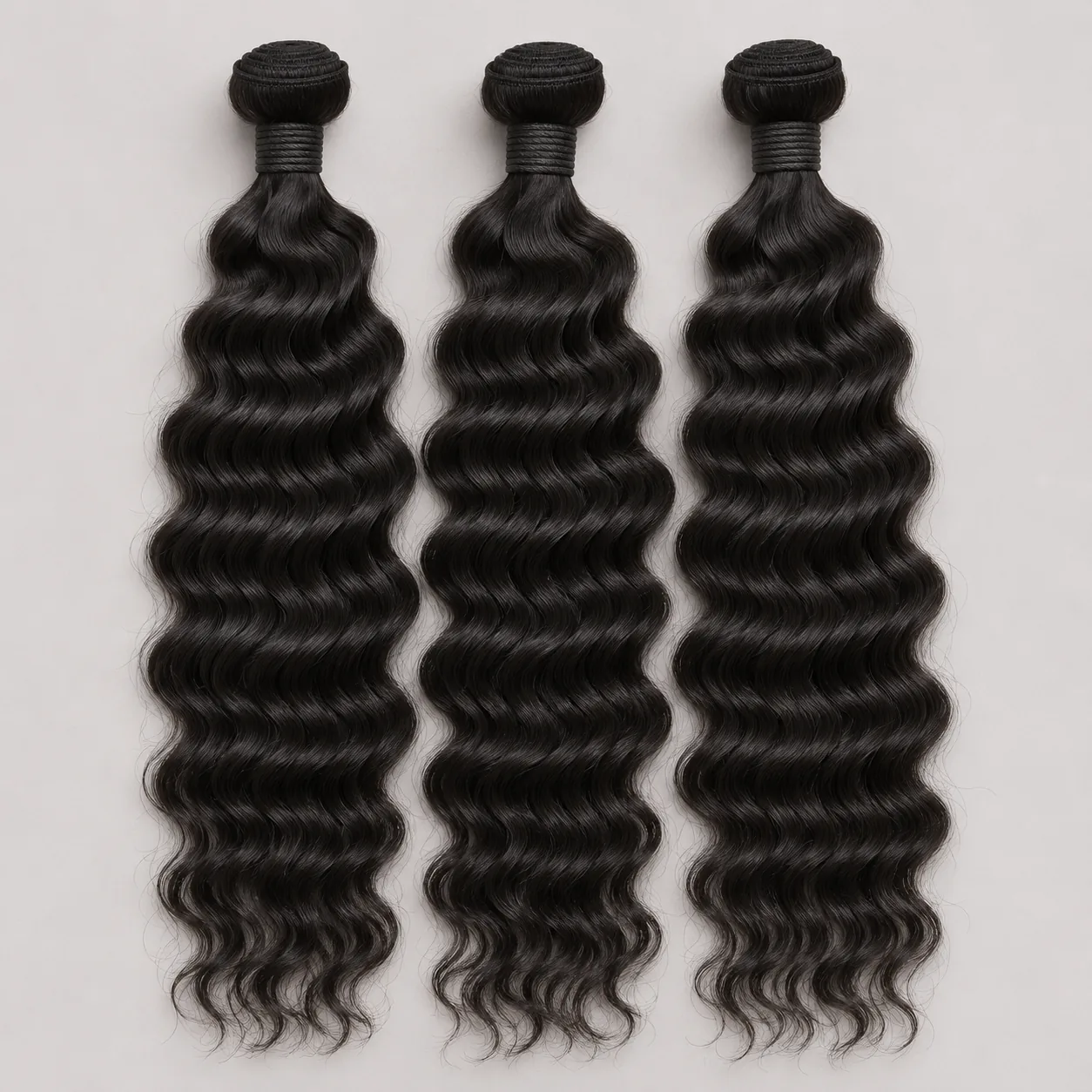
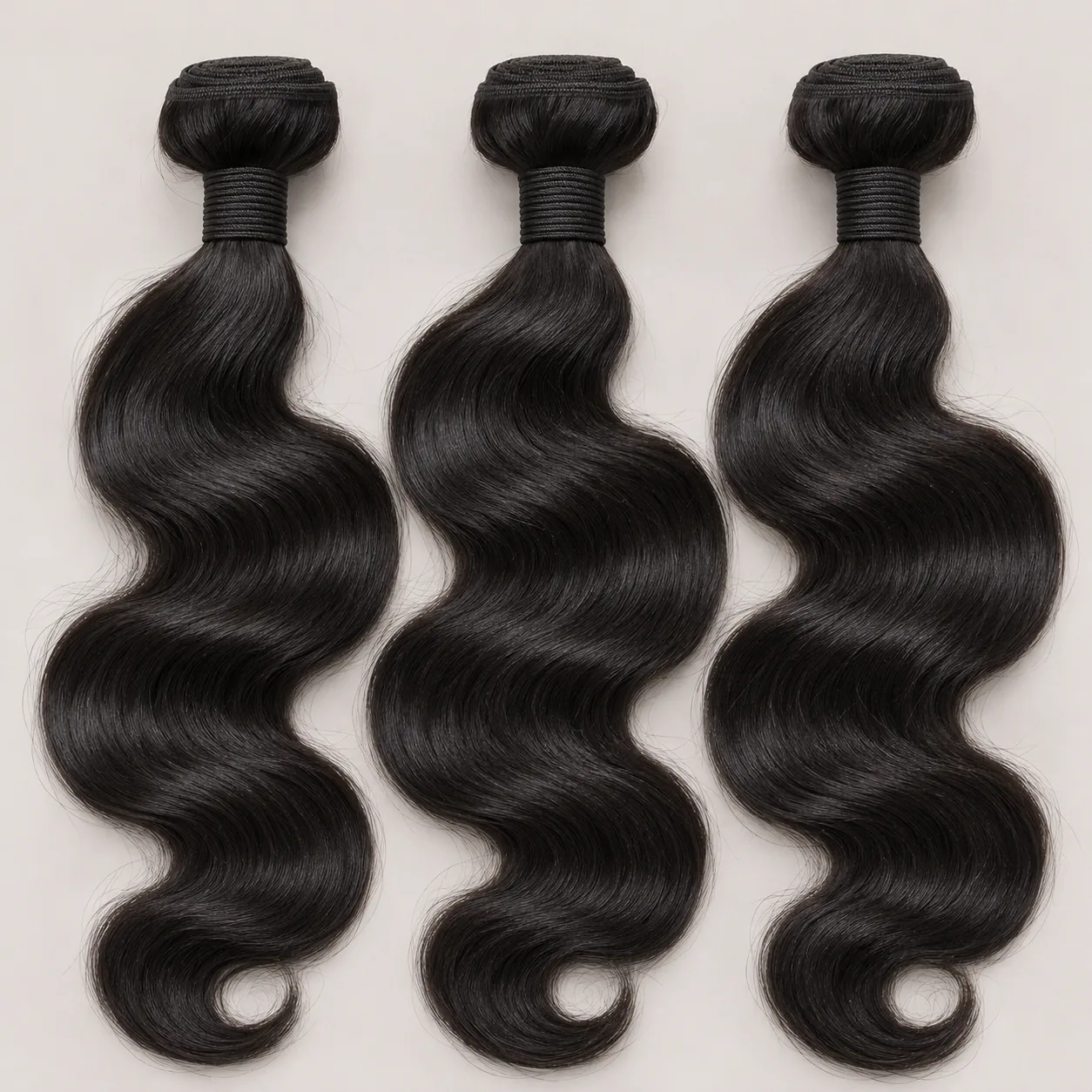
Three black deep wave hair bundles

Weight

Figure
[Figure] · as you give it
Unit
The unit is grams or ounces.
Basis
For weight, the basis is what the figure belongs to: a pack, a single panel or weft, a single strand, or a bulk bunch.

Nobody converts your inches into centimetres or your ounces into grams along the way, and nobody re-reads a pack weight as a piece weight.

Once the row is written this way, it stays this way. The same figure, unit and basis appear on the sample tag's row, on the spec sheet, on the quote line and on every reorder under that row's spec code.

That is what lets the sample, the shipment and your own scales all be compared against one record.

Length & Weight Chart by Product Line — Measured, Weighed, Checked

Units on every line: length in inches or centimetres, weight in grams or ounces, chosen by you and kept for the life of the row.

Length and weight by product line: where length is taken from, how wavy rows are marked, how weight is recorded, and how each is checked
LineLength taken fromStretched or naturalWeight recorded asOn your sampleBefore each shipment
Tape-InThe hair below the tape panelMarked on any row that is not straightPer panel or per pack; panels per pack on the row for pack weightsA tagged tape panel, measured below the panel and weighed per panel or packWeighed on the row's basis; length set against the retained panel by the row's method
Genius WeftBelow the seamMarked on any row that is not straightPer weft or per pack; wefts per pack on the row for pack weightsOne uncut full-width weft, measured below the seam and weighedWeighed on the row's basis; length compared with the retained weft, the weft left uncut
Machine WeftBelow the seamMarked on any row that is not straightPer weft or per pack; wefts per pack on the row for pack weightsOne uncut full-width weft, measured below the seam and weighedWeighed on the row's basis; length compared with the retained weft
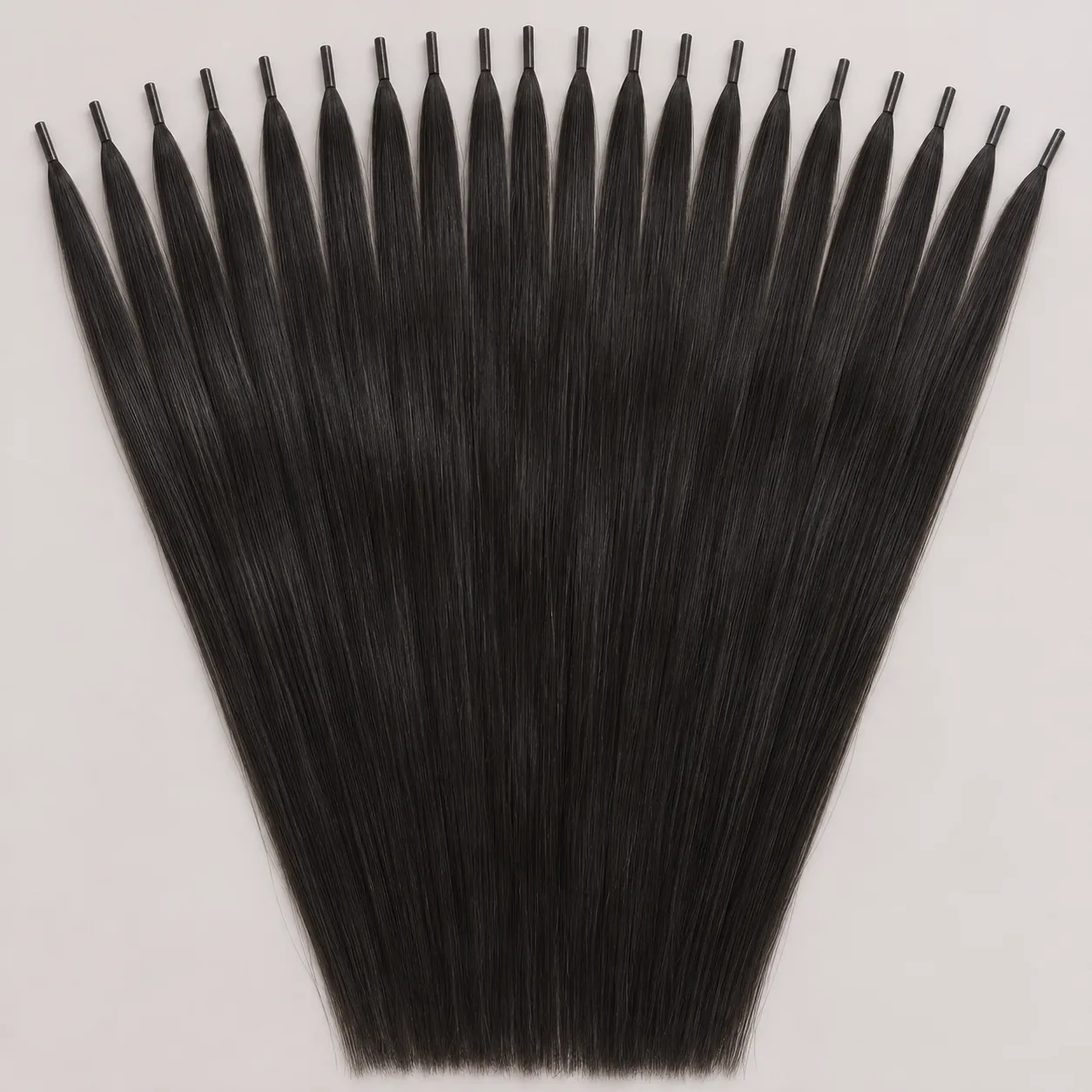
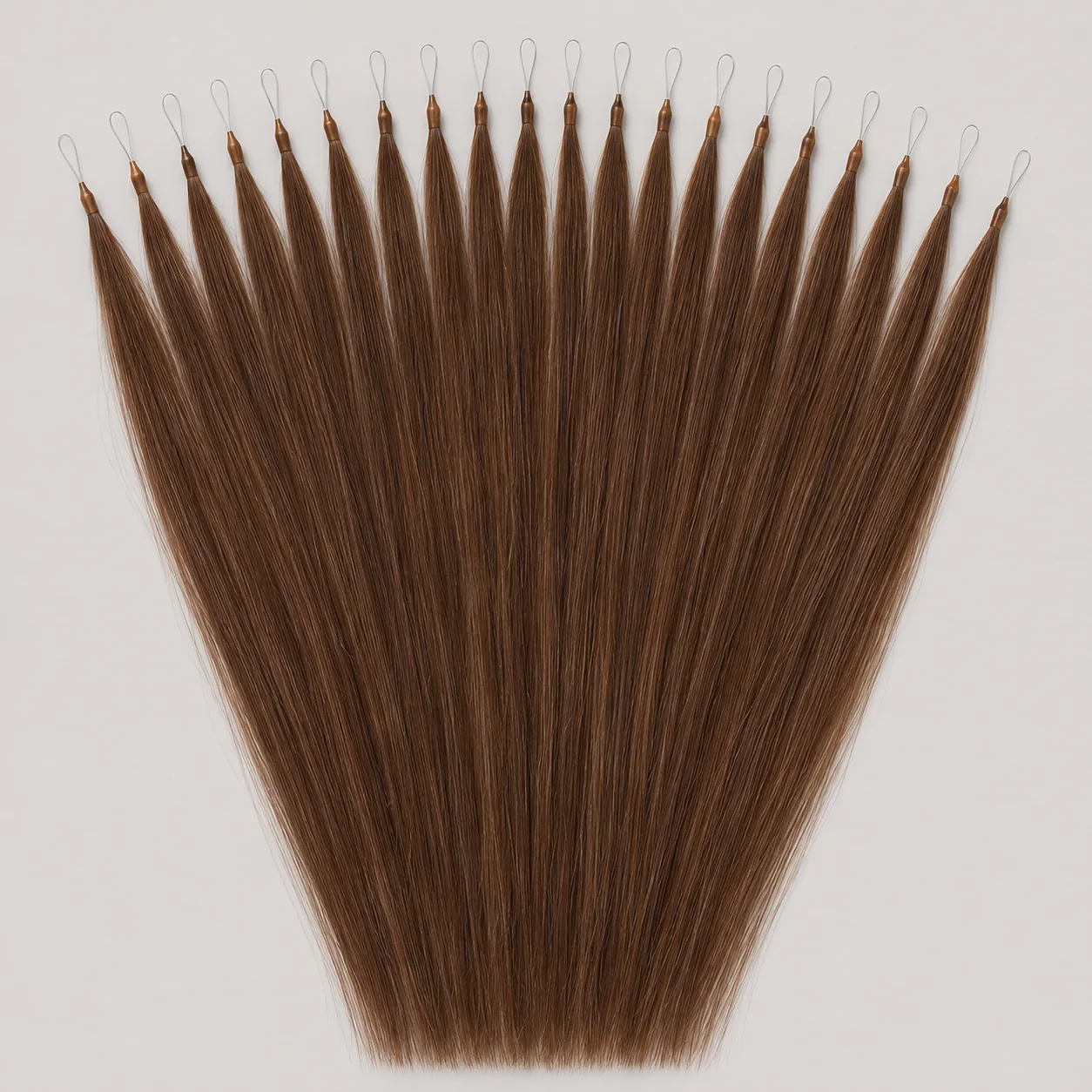
I-TipBelow the tipMarked on any row that is not straightSingle-strand weight plus strands per packA set of loose strands, a few strands weighed one at a timePacks weighed, and a few strands from the row weighed singly against the strand figure
Nano TipBelow the tipMarked on any row that is not straightSingle-strand weight plus strands per packLoose strands, weighed singly as for I-tipPacks and single strands weighed as for I-tip
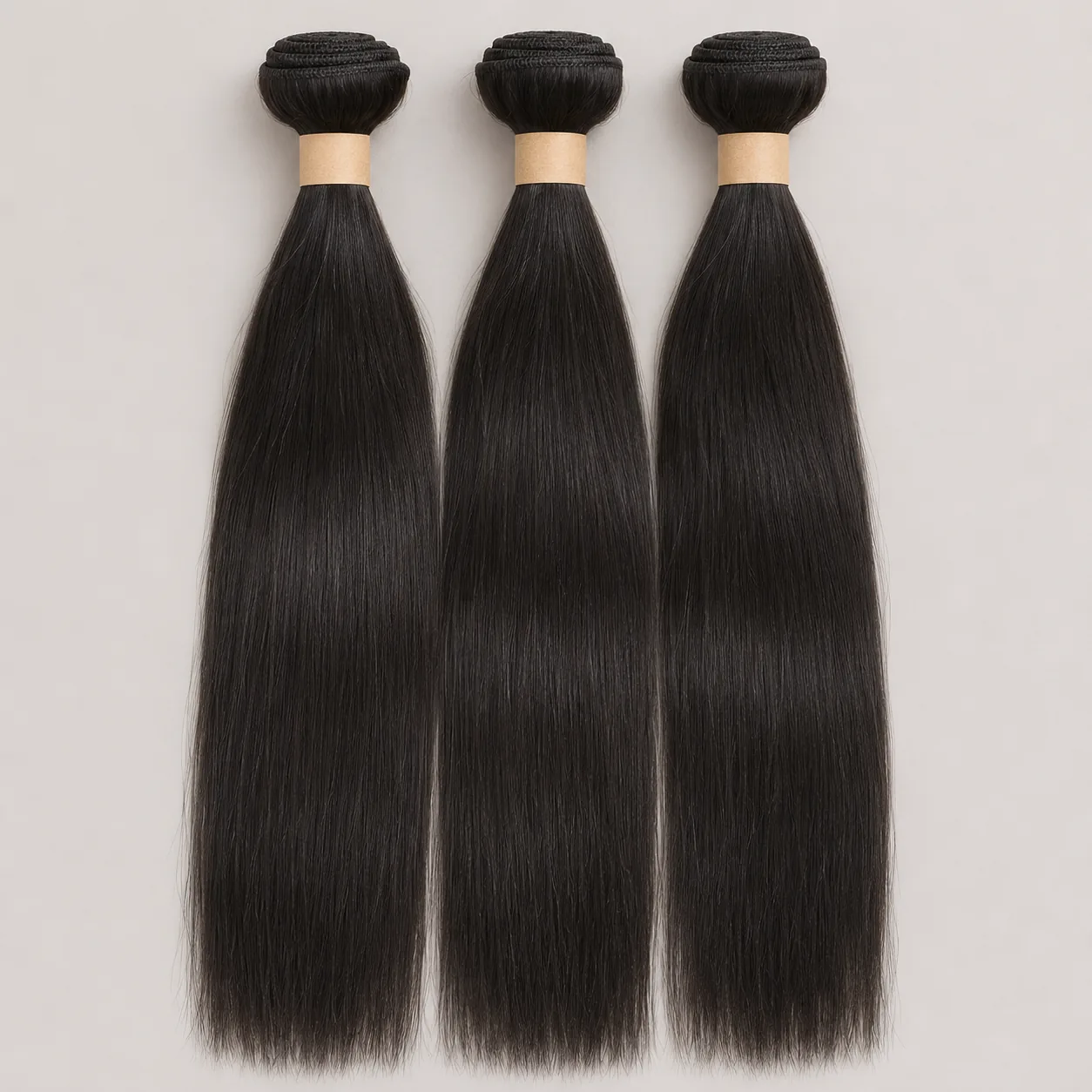
Human Hair BundlesBelow the seamMarked on body wave and deep wave rowsPer packOne whole pack, weighed as a pack and measured by the row's methodEvery pack weighed; a few packs per row spread out beside the retained pack for length and end fullness
Bulk Human HairFrom the tie at the root endMarked on any row that is not straightPer bunchOne tied bunch, untied, laid flat, measured from the tie and weighed wholeEvery bunch weighed; a few bunches per row, still tied, set beside the retained bunch for length profile

K-Tip and U-Tip rows follow the I-tip and nano tip columns: length below the tip, single-strand weight and strands per pack.

Length Measured One Way — Row, Sample, Shipment, Arrival

The length on your row is a figure tied to a start point and a method, and that pairing is used at every step the row goes through. The method stays attached to the figure through every sample and every reorder.

  1. What the row records

    Your contact writes three things into the length field: the figure, the unit you gave it in, and, on any wavy or textured row, whether it is measured stretched or natural. The start point needs no note because it is fixed by the line, as in the chart above.

    On bulk rows the length field also carries the length profile, the share of hair in the bunch that reaches the full figure and the share that falls short of it, set by your reference bunch or by the sample you approve.

    A blank notepad and pens on a dark desk
  2. On your sample

    The sample is made to the row and tagged with the row it belongs to. Your stylist or buyer measures it from the line's start point by the row's method: a tape panel below the panel, a weft below the seam, a strand below the tip, a pack below the seam, a bunch from the tie.

    If the length reads right, it is confirmed along with weight, texture and colour, and the row receives a spec code. If it reads wrong, you tell your contact which row and which way it is off, and a revised row is sampled again before any first confirmation.

    A hand smoothing long brown hair
    From the line's start pointSample · tagged to its row
  3. Before shipment

    Every row being shipped is set against the retained sample we keep for its code, measured from the same start point by the same method your row states. On bundles, a few packs from each row are spread out next to the retained pack; on bulk hair, a few bunches are set beside the retained bunch without untying them.

    A row whose length does not match stays off the shipment, photos of it come to you, and it is remade to the confirmed spec before it ships. You decide whether the other rows go ahead or wait for it.

    A black weft laid flat
  4. On arrival

    Measure a piece from each row the same way and set it beside the approved sample you kept. If a row looks off, send photos and the spec code; your contact checks it against that code's retained sample and returns a picture of that retained sample next to your photo, so the comparison is made on the same basis on both sides.

    A hand lifting a parcel wrapped in brown paper out of a wooden crate

Weight by Pack, Piece or Strand — Recorded and Weighed per Line

Weight is the field buyers most often write in a different form from the one their supplier uses. On our rows the form is yours, and it stays fixed to the row.

The basis, line by line →

The unit

Two hands holding a small brown box

Grams or ounces, on every line. Your contact keeps the unit you used; a row written in ounces is quoted, checked and reordered in ounces.

Tape and weft rows

A black weft with its sewn seam along the top
WeightFigure[Figure]Unit[Unit]BasisPer piece

Tape-in is recorded per panel or per pack, and genius weft and machine weft per weft or per pack; when you choose pack weight, the row also states how many panels or wefts make up a pack.

Tipped rows

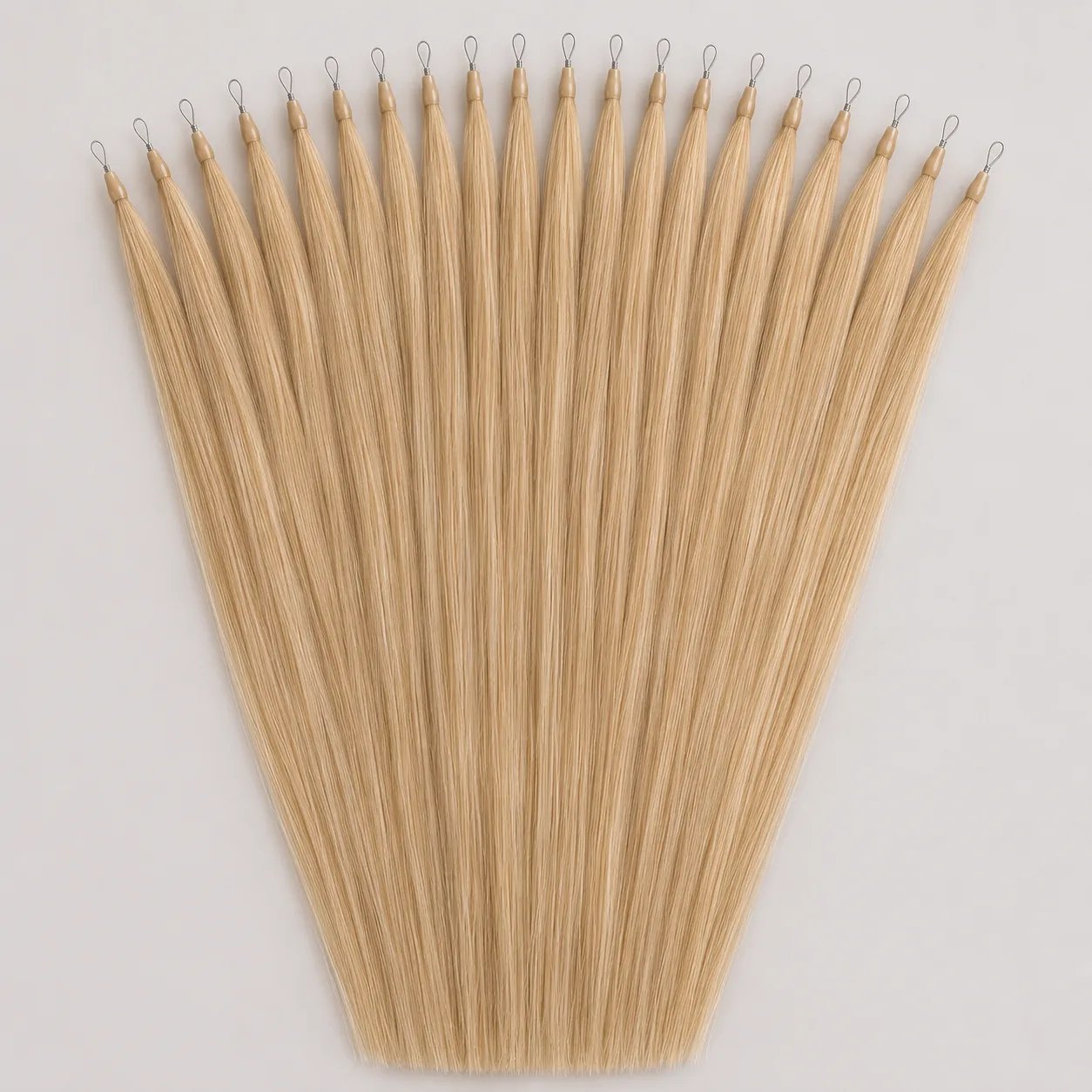
A fan of light blonde nano tip strands

Every tipped row, I-tip, nano, K-tip or U-tip, carries two figures, single-strand weight and strand count per pack, so a stylist building an install strand by strand knows what each strand weighs.

Bundles

Three black body wave hair bundles

Bundles are recorded per pack.

Per pack

Bulk hair

A long auburn ponytail seen from behind

Bulk hair is recorded per bunch.

Per bunch

On your sample

Your stylist weighs the sample in the form on the row: a bundle as a whole pack, a weft or panel singly or as a pack, a few tipped strands one at a time against the strand figure, a bulk bunch whole. A strand set that weighs unevenly from strand to strand shows up here, before anything is confirmed.

Before shipment

Weight is checked on every row of every order. Every bundle pack and every bulk bunch is weighed. Tape and weft rows are weighed on the basis the row records. Tipped rows are weighed by the pack, and a few strands from each row are weighed singly against the strand figure. A row that does not match its spec is not packed; you hear about it with photos, and it is made again to the confirmed spec.

What you hold afterwards

A packing list showing the check result against each spec code, a code label on every pack, and the approved sample you can weigh a delivered pack against on your own scales.

Spec · [code] · on every pack
Long wavy fair hair falling over bare shoulders, seen from behind

A pack weight and a piece weight describe different products even when the figure is the same, so the basis travels with the figure to the sample, the quote and the scales before shipment.

Lengths and Weights in a Set — One Row for Each

A salon stocking tape-in at several lengths, a wig-making studio sewing units from bundles in more than one length, a store laying out a shelf in steps of length: on our spec sheet, each length is its own row, and so is each weight.

  • Long light brown hair gathered loosely at the back of the head

    Same hair, one field changes

    Rows in a set share hair type, texture and colour and differ only in the field that changes. Each gets its own sample, confirmation and spec code, and is checked on its own before shipment.

  • A set of bundle lengths

    A set of bundle lengths goes into one sample request as several rows, one whole pack per row.

  • Hands holding scissors over a lock of hair

    Two strand weights

    Weight works the same way. Nano tip buyers who have not settled how light to go for clients with fine hair can write the same row at two strand weights, sample both together and confirm the one their stylists prefer.

  • Fingers trimming the ends of a section of straight black hair

    Pieces and packs

    A tape or weft buyer who sells both single pieces and packs writes each as a row, because the weight basis differs.

Sample quantity follows the rows: one sample per row as standard, with extra copies of a row noted against it. Order quantity goes on the quote, row by row.

Long wavy brown hair seen from behind, hands in the hair
Close-up of curled copper hair

Length Method on Wavy and Textured Rows — Stretched or Natural

On straight hair, measuring stretched and measuring as the hair falls give the same figure. On a wave they do not: the same body wave or deep wave pack reads longer when it is held straight than when it is left to hang. That is why every row with a wave or texture states its method, and why a row without one is marked and returned to you before it is sampled.

Choose the method your customers already use when they talk about length. Either is recorded as written, and the sample, the check before shipment and your check on arrival all follow it.

Texture itself, the three bundle texture names and the "to your reference" rule on other lines, is set out on the Hair Extension Color Chart & Textures page.

Held straight
Left to hang
A blank notebook and pens on a wooden desk

Send Lengths and Weights the Way You Already Write Them

Put each length with its unit and its method, and each weight with its unit and what it belongs to. They come back to you laid out as a spec sheet, and sampling starts once you have checked it.

Changing Length or Weight on a Confirmed Code

Once a row holds a spec code, its length and weight are part of that code. Changing either one opens a new row, and length and weight are the fields where that new row can be agreed in writing instead of through a new sample.

Original row · stays as confirmed Spec · [code] LengthFigure[Figure]Unit[Unit]Basis[Basis]
Small white boxes and a pair of scissors on a white table
New row · confirmed in writing Spec · [new code] LengthChanged[New figure]Unit[Unit]Basis[Basis]
A hand writing on a sheet of paper
Agreed in writing

What counts as a change

A different length figure, a different pack weight, piece weight or strand weight, a different number of pieces or strands per pack, a switch between piece weight and pack weight, or a new weft width. Each produces a new row on your spec sheet.

How a written change goes through

You tell your contact which code to start from and what changes. Your contact writes the new row with every field filled in, the changed one included, and sends it back. You confirm it in writing, and the new row is given its own spec code. Hair type, texture, colour and structure carry over from the original row as written.

Sampled again

When a new sample is made instead

A change of colour, texture, hair type, tape type or fitting, or a switch between lines such as genius weft and machine weft or I-tip and nano tip, is sampled again. So is any change made before a row has been confirmed for the first time: until a first confirmation exists there is no physical standard to hold the change against, so a wrong length or weight on a first sample means a revised row and a new sample.

Wavy hair seen from behind, black and white

What happens to the original code

It stays on your account spec sheet exactly as confirmed, with its retained sample and its length and weight unchanged. Reorders on it keep shipping to it. A reorder sheet can carry the original codes and the new rows together, and the existing codes can go out at once or travel with the new rows once those are confirmed; that choice is yours.

What you can check

The quote shows the original and the new code as separate lines, and the first packing list for the new row carries its check result under the new code.

Order Wording Rewritten Into Rows — Full Head, Set, Bundle Count

Many orders arrive with lengths and weights written in shop-floor shorthand: a length with no unit, a weight with no basis, or a quantity described by what it should cover. Your contact rewrites each one into fields before anything is sampled, and asks you wherever the wording leaves a choice open.

A pen resting on a notebook page

A length without a unit or method

A bare figure on a wavy row is returned to you with the length field marked, asking for the unit and whether it is measured stretched or natural. The row waits until the field is complete, because a sample made to a guess would be judged against a different length from the one you meant.

A weight without a basis

A weight on a tape, weft or tip row can mean one piece, one strand or a whole pack. Your contact asks which, and for pack weights, how many pieces or strands the pack holds. Each answer goes into the row.

Coverage words: full head, a set, enough for one client

These describe how many items an install or a sale needs, not what each item is. Your contact asks what lengths and weights sit inside that wording and splits it into rows, one length and one weight per row. The quantity of each row goes on the quote. The number of packs, panels or strands a head takes is set by your stylist, who sees the client's own hair and the look being built; on our side the rows record what one pack, piece or strand is, and the quote records how many you are ordering.

Bundle counts and mixed packs

An order for "bundles" in several lengths becomes one row per length, each with its own pack weight and method. A quantity written as a number of bundles stays as quantity on the quote line of each row.

Notes you want to keep

The wording your team or your customers use, a shelf label, an SKU or a pack name, can sit beside the field as a note on your account spec sheet. Only the spec code goes on the pack label.

When the rewritten sheet comes back, every row shows its length, unit, method, weight and basis in full, with your original wording beside it, so you can see how each line of your order was read before sampling starts.

A stylist holding a comb and scissors against short dark hair

Fields Each Installation Method Adds to a Row

Which line suits which client and install is compared on the Human Hair Extensions page.

Close-up of cornrow braids
  • Sewn onto a braided track

    Bundles, genius weft or machine weft; weft width on weft rows, weight per weft or per pack.
  • Beaded weft

    Genius or machine weft; same fields, fitting noted on the row.
  • Tape, sandwich or single-sided

    Tape-in; tape type and fitting method, weight per panel or per pack.
  • Micro ring or bead

    I-tip; strand weight, strands per pack, ring type as a note.
  • Nano ring

    Nano tip; strand weight, strands per pack, ring type and colour as a note.
  • Keratin fusion

    K-tip or U-tip; tip shape, strand weight, strands per pack.
  • Braiding, wig making, repairs

    Bulk hair, weight per bunch and length profile from the tie; bundles for wigs sewn from wefts.
  • A wooden comb and fabric hair ties on a linen cloth

Length and Weight Spec Checklist — What Each Row Needs

A row missing a length method or a weight basis comes back flagged and is sampled once the gap is filled.

Each rowFigure[Figure]Unit[Unit]Basis[Basis]
A blank sheet of paper and a pen on a dark table
  • Product lineOne per row; the line sets where length is measured from.
  • Length figure and unitInches or centimetres.
  • Length methodStretched or natural, on any row that is not straight.Returned if missing
  • Length profileBulk rows only, by reference bunch.
  • Weight figure and unitGrams or ounces.
  • Weight basisPer pack for bundles; per panel, per weft or per pack for tape and wefts, with pieces per pack; single-strand weight and strands per pack for tips; per bunch for bulk.Returned if missing
  • Weft widthWeft rows, as you write it.
  • QuantityPer row, for the quote; a set becomes several rows.
  • Your wordingAny shorthand, SKU or pack name you want kept as a note.

Hair Extension Length and Weight FAQ — Units, Packs, Full Heads

Rollers set in long light hair, seen from behind

Is there a length chart in inches with grams for each length?

The chart on this page works by field: where each line is measured from, how, and what weight is recorded against. The figures themselves are the ones on your rows, in your units, confirmed on a sample.

How many bundles or grams do I need for a full head?

That is your stylist's call, made on the client's own hair and the finished look. Write the length and weight of one pack, piece or strand on each row, and the number you want on the quote; your contact splits a "full head" or "set" into those rows with you.

Can I order in ounces and inches?

Yes. Each row keeps the units you give it, on the sample, the quote and every reorder.

Does the length include the tip or the seam?

No. Tipped strands are measured below the tip, wefts and bundles below the seam, tape panels below the panel, bulk hair from the tie.

Fine strands of hair crossing a dark background
Your rowsLengthUnit · methodWeightUnit · basisQuantityPer row

Send Your Length and Weight Rows

List each row with its length, unit and method, its weight, unit and basis, and the quantity you have in mind. Use Request Samples to see them on physical hair, Get Wholesale Quote once your rows carry spec codes, or Build a Mixed Order to put lengths and weights from several lines on one order.

Please enter your name.
Please enter an email address the reply can go to.
Please enter your company name.
Please choose the closest buyer type.
Product lines (optional)
Weight basis you use (optional)
Length method on wavy rows (optional)
Your contact replies to the email you give, or on WhatsApp if you add a number.