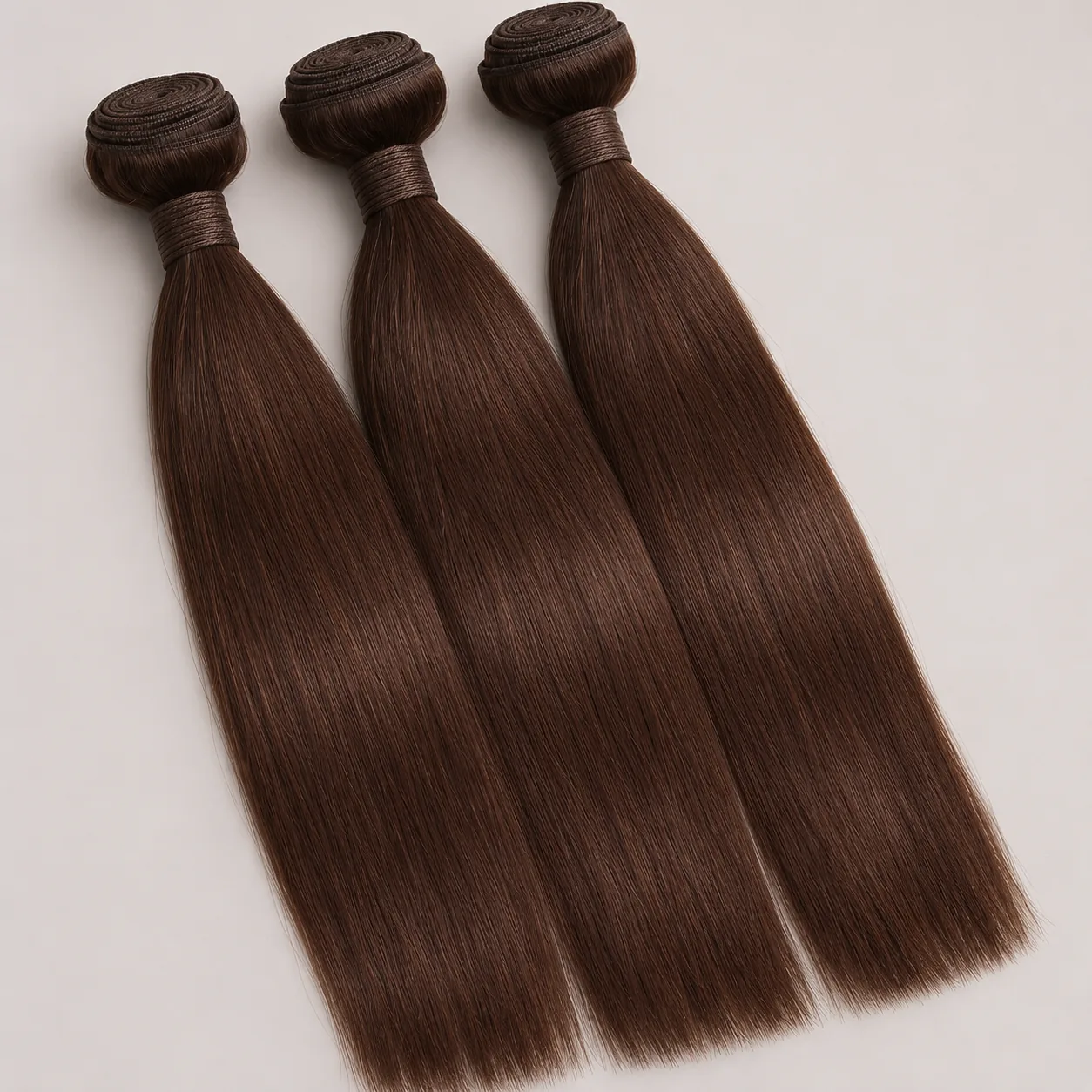
A sample request often arrives as one line: “Please send samples of your best hair extensions.” No sample can be made from that line. A sample is made from a row, and a row has fields. This article goes through the fields of a spec row, what to write in each one, and what happens to the row once you approve the sample. It is written for salons, extension stylists, distributors, beauty supply stores and private label brands who are preparing their first hair extension sample request.
One spec row describes one product you will reorder
Every order line on our side uses the same set of fields: product line, hair type, length, weight, texture and colour, plus weft or tip type for the structured lines. The inquiry, the sample, the quote and every repeat order use the same sheet, so the words you write on day one are the words that come back on your packing list.
The rule that saves the most back-and-forth: one row is one product. If you want the same hair in two lengths, that is two rows. If you want tape-ins and bundles in the same colour, that is two rows as well, because the structure is different. One sample request can hold many rows across several product lines, and each row gets its own sample. The same logic carries into a mixed order across lines, lengths and colours later on.
Product line and structure: start with how the hair is attached
Write the product line first, because it decides which extra fields the row needs. A weft row needs a weft width. A tip row needs the weight of a single strand and the number of strands per pack. Write these the way your team uses them; the row keeps your wording.
Two choices come up often. If your stylists cut the weft to the client’s head shape, the row belongs on genius weft, not machine weft. For I-tip and nano rows, we don’t supply rings: note the ring type your stylists use on the row, and the sample is made to be checked with that ring. A ring note is not a new row. The I-tip hair extensions page shows what a stylist checks on a tip sample.
Hair type: Remy, Virgin or Raw, written as processing
We describe hair type by how the hair was handled, not by a grade. Remy means the cuticles are kept and aligned in one direction. Virgin means the hair was never chemically processed: no colour, perm or bleach. Raw means unprocessed hair collected and sorted with minimal processing. None of the three is ranked above the others; the right one depends on what the hair has to do for your clients. The Remy, Virgin and Raw comparison goes through each one field by field.
Grade numbers and origin names don’t go into a row. When a request says one of them, your account contact asks what the word is meant to express and writes that into the matching field: fullness against a reference pack, texture and colour against reference hair. If a row says “virgin remy”, you pick one, and that one is the row’s hair type.
Length and weight: write them the way you measure them
You choose the unit, inches or centimetres for length and grams or ounces for weight, and the row keeps it from sample to repeat order. What matters more than the unit is where the length is measured from. On bundles and wefts it is measured below the seam, on tape-ins from under the tape, on tip lines from below the tip. For any row that is not straight, note on the row whether the length is measured stretched or in its natural state. The sample and every shipment are measured the same way, and the length and weight guide shows each starting point.
Quantity words such as “a full head” or “enough for one client” are split into rows: one length and one weight per row, with the quantity on the quote. How many packs make a full head is your stylist’s call.
Texture and colour: send a reference, not a name
For bundles, three texture names are confirmed: straight, body wave and deep wave. For the other lines, texture is made to your reference, and any texture word you send stays as a note next to the field.
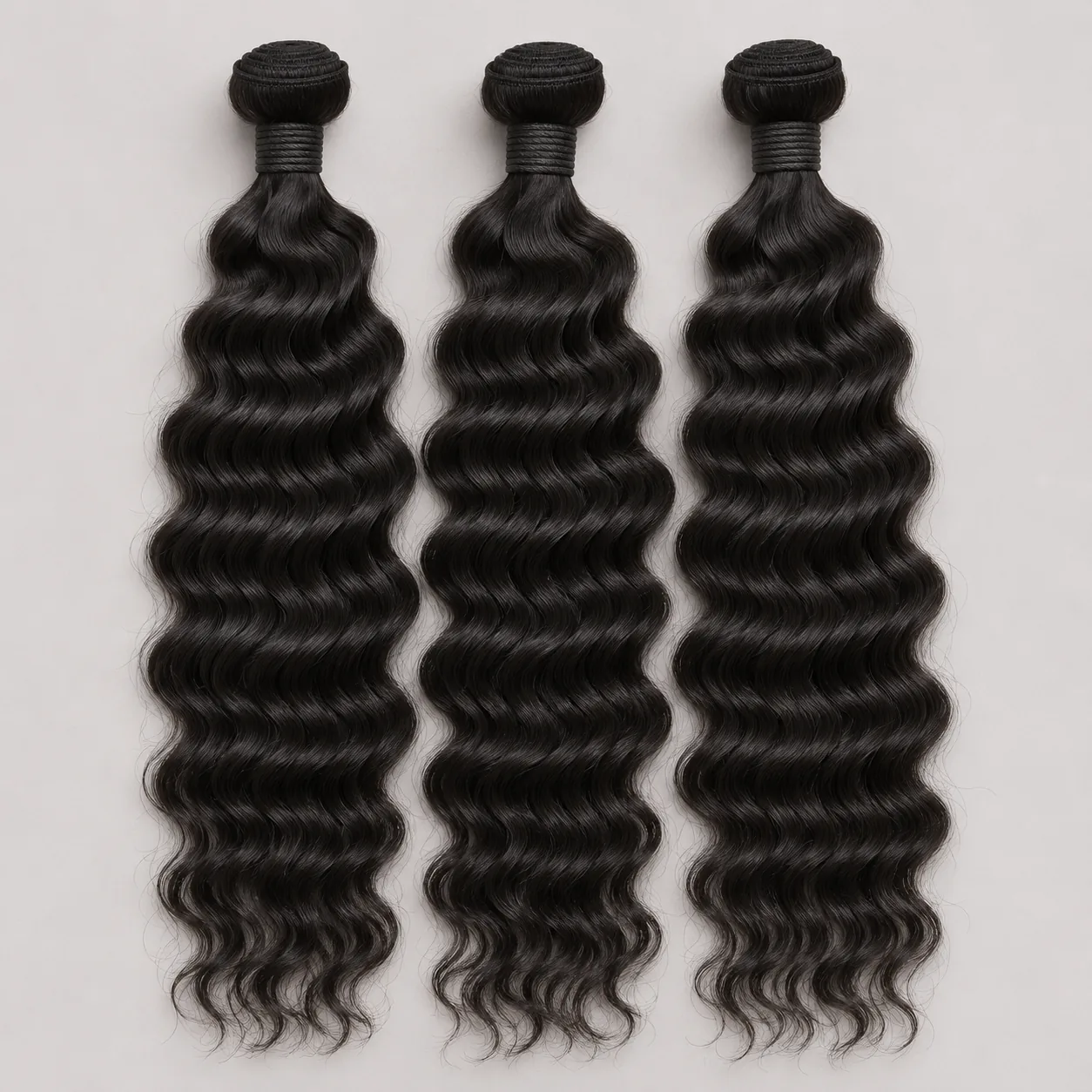
Colour is confirmed against physical hair, never against a photo or a screen. Send client hair, a reference bundle, or a lock of real hair from your current supplier, labelled with its row number. Another supplier’s colour code stays on the sheet as a note, so you can see what it was rewritten into. If you have no physical reference yet, the first sample is made from your description and is a proposal until you confirm it on the hair. The page on how colour is matched on real hair covers each case, including multi-tone rows.
One conflict to avoid: a Virgin or Raw row can only carry a colour or texture the hair has without colouring, bleaching or perming. If a row asks for both, it comes back to you to choose before anything is made.
A checklist for your first sample request
| Field | What to write | What happens if it is missing |
|---|---|---|
| Product line | The line, plus weft width or tip details for structured lines | The row is returned to you before sampling |
| Hair type | Remy, Virgin or Raw, one per row | Your contact asks which one the row means |
| Length | Your unit, plus stretched or natural for non-straight rows | The row is returned to you before sampling |
| Weight | Your unit, per pack, per piece or per strand as you sell it | The row is returned to you before sampling |
| Texture | A bundle texture name, or reference hair | Your contact asks for a reference |
| Colour | Physical reference hair, labelled with the row number | Without reference hair, the first sample is a proposal only |
Rows can reach us as a spreadsheet, as photos or as plain text, through the inquiry form or on WhatsApp. Your account contact turns them into a spec sheet and sends it back for you to confirm before anything is sampled.
What happens to the row after you approve the sample
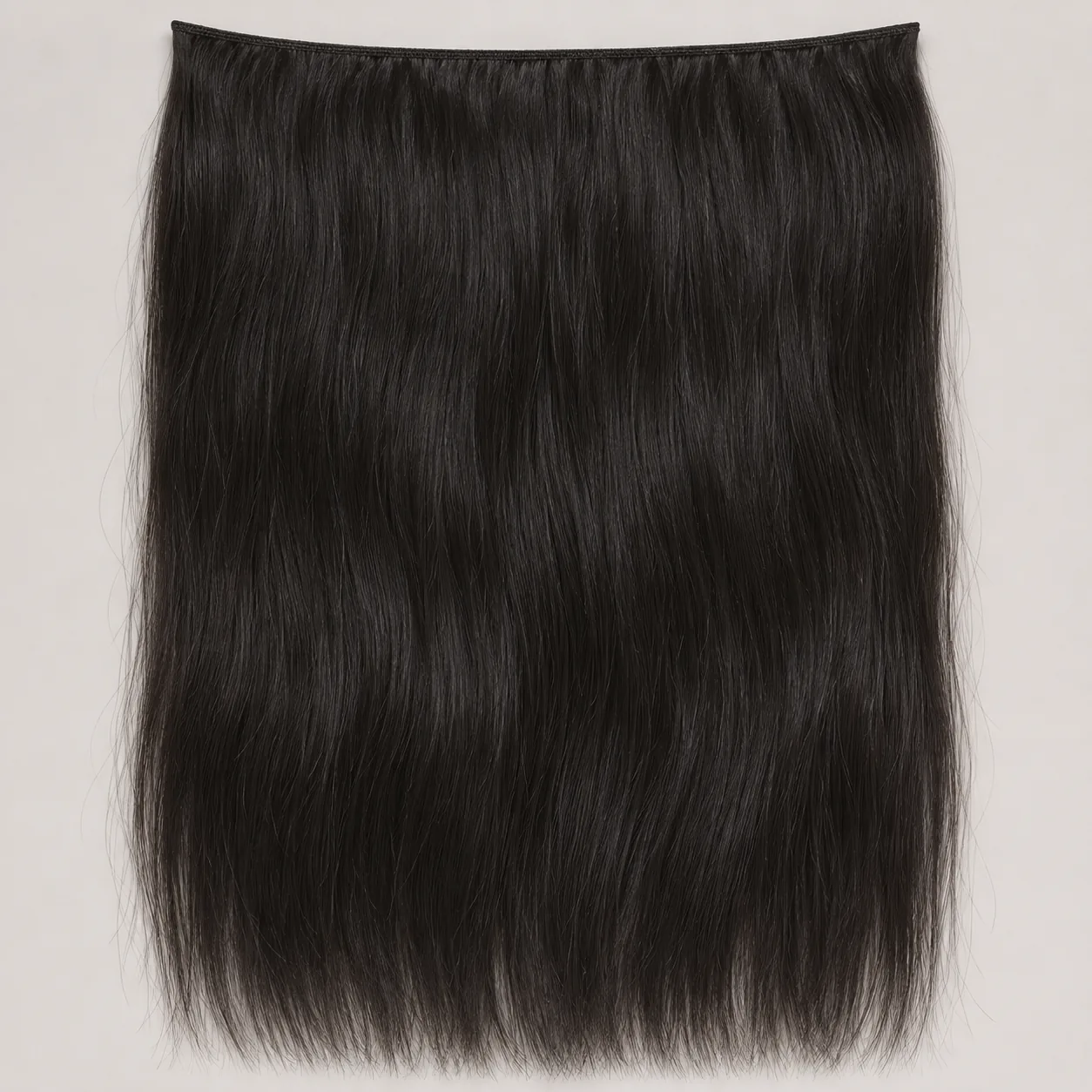
- Row label: each sample is checked against its row and sent with a tag that says which row on your sheet it belongs to.
- Your check: you check structure, length, weight, texture and colour on the physical sample. If a field is off before the first approval, the row is revised and sampled again.
- Spec code: once you approve, the row becomes a confirmed spec with a written spec code. The code appears on your quote lines, on the pack labels and on the packing list.
- Retained sample: we keep a matching sample for each code, and you keep the approved sample you checked, so both sides can compare a delivery side by side.
- Pre-shipment check: before every shipment, each row is weighed and checked for length, colour and texture against its retained sample. A row that does not match is not shipped; you are told first, with photos.
From then on, a repeat order is the spec code, the quantity and the destination. Your contact sends back a repeat sheet with each code written out in full, and you confirm it before production. See how a wholesale quote lists each spec row, or start with the samples.